
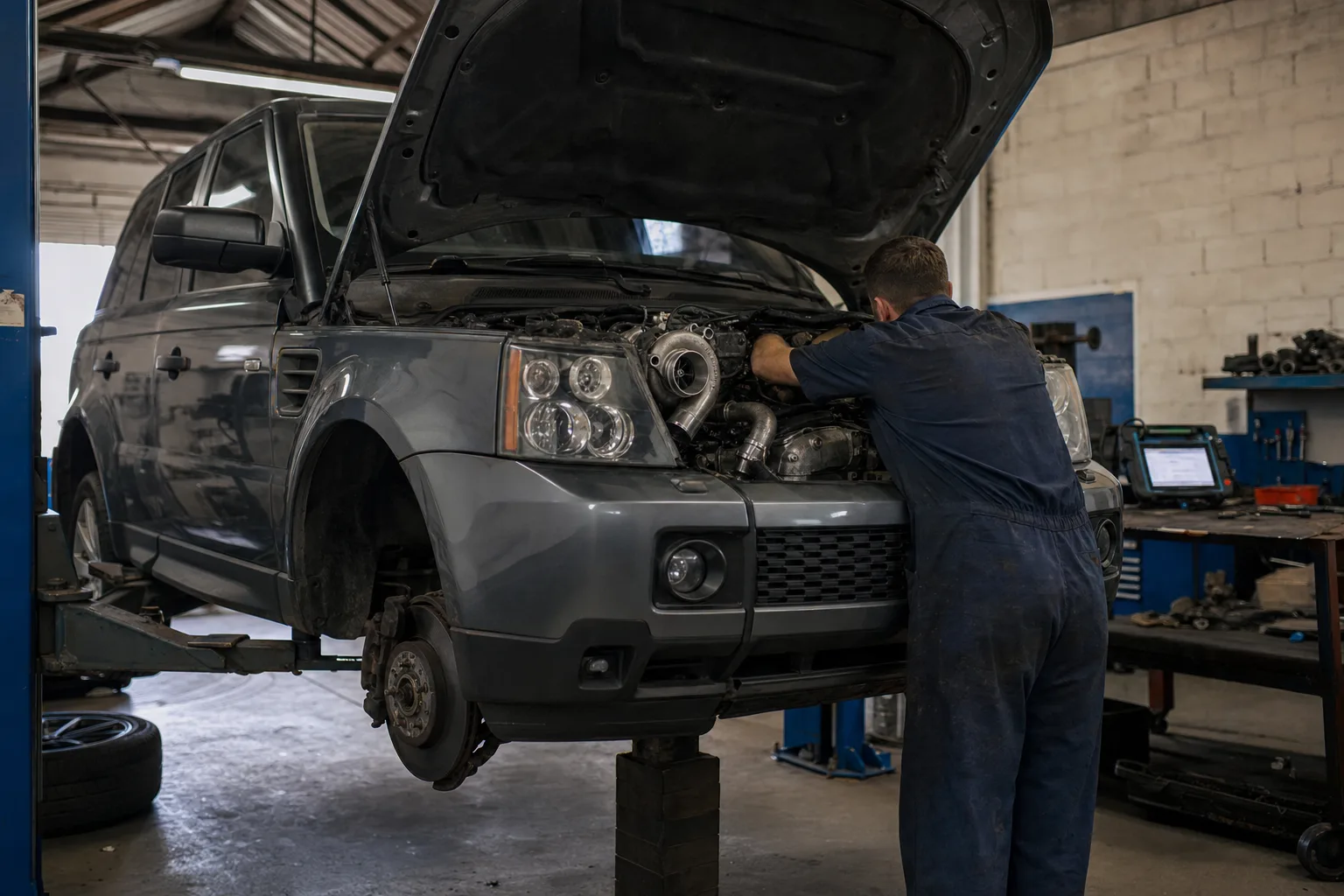

The 3.6 TDV8 is the 3,630 cc twin-turbo V8 diesel Land Rover fitted to the L322 Range Rover from 2006 to 2010, and to the first-generation Range Rover Sport. It was developed jointly by Ford and PSA Peugeot Citroën and makes 272 bhp and 472 lb-ft (about 640 Nm) of torque[1].
Buy a well-serviced one and it is effortless. Buy a neglected one and the turbos will decide how your year goes.
Below are the six faults that come up most on this engine, what they cost to sort with used and reconditioned parts here in South Africa, and an honest verdict on which TDV8 is actually worth buying.
- Turbocharger failure is the 3.6's defining fault — and it is often terminal, because a failing turbo can feed debris into the cylinders and rebuilding a 3.6 is usually uneconomic.
- A neglected EGR system is the upstream cause, which is why that turbo failure is largely preventable rather than inevitable.
- Oil in the intercooler hoses is the classic worn-turbo sign — but a plain split hose mimics the same limp mode for a fraction of the money, so rule it out first.
- Most repairs are far cheaper with quality used or reconditioned parts: a recon turbo runs about R12,000–R28,000 for the part versus dealer money that can double that.
- Service history matters more than model year. Halving the factory oil-change interval is the single best thing you can do for a 3.6 TDV8.
1. Twin turbocharger failure
The 3.6 TDV8 carries two turbochargers, one low down on the outside of each cylinder bank, and they are the fault owners fear most. Symptoms are a whistle or flutter under load, blue or black smoke, a sudden drop into limp mode, and oil showing up in the intercooler hoses.
That last one is the give-away to check first: pull an intercooler pipe and if it is wet with oil, a turbo is on its way out. Because the turbos sit low down and buried behind heat shields, exhaust and engine mounts, the labour is heavy, so a correct diagnosis before you buy parts matters enormously.
Be straight with yourself about the worst case. When a 3.6 turbo lets go badly it can send debris into the cylinders, and a full rebuild of this engine is rarely economic on a car of this age — which is why so many otherwise tidy 3.6s end up written off rather than repaired. Catching it early is the whole game:
- Oil pooling in the intercooler pipes or the intercooler itself.
- A whistle or siren note that rises with boost.
- Limp mode that returns after an ignition cycle.
- Boost-pressure or under-boost codes stored on a scan.
Don't assume every power loss means two new turbos. On this engine it is often one tired unit, a split hose, a sticking actuator or a clogged EGR first. Browse our TDV8 engine parts or send us the fault codes and we'll tell you honestly what you actually need before you spend a cent.
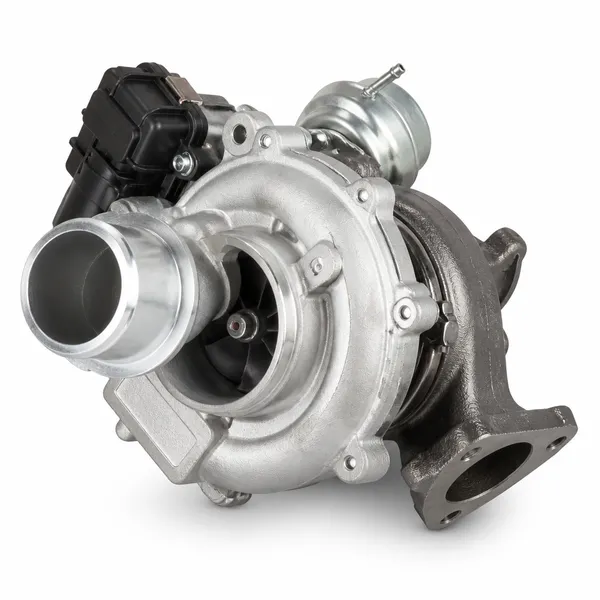
3.6 TDV8 Reconditioned Turbochargers
Tested, balanced recon turbos for both banks of the 3.6 TDV8, with more listed on our turbochargers for sale page. Send us your VIN and we'll match the correct left or right-bank unit.
Get a Quote2. Split intercooler and turbo hoses (and cracked inlet manifolds)
This is the fault that gets misdiagnosed as a dying turbo more often than any other. The 3.6 TDV8 pushes a lot of boost through ducting that hardens with heat and age, and eventually a hose splits or an inlet manifold cracks. The car drops into limp mode, sometimes with a puff of smoke and a whooshing noise, and the owner fears the worst.
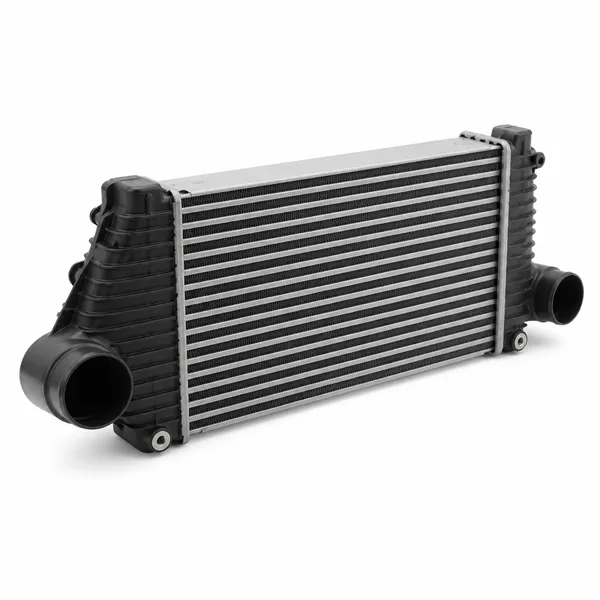
It is comparatively cheap to fix, which is exactly why it deserves its own section. On a car of this age we would always pressure-test the charge system before quoting anyone for turbochargers.
- Limp mode that clears on restart but returns under load.
- A whoosh or pfft from the engine bay when you accelerate hard.
- Under-boost fault codes with a turbo that still spins freely.
- Visible splits, or oil weeping at the hose clamps.
The sensible approach is to replace the charge hoses as a set rather than one at a time. Once one has gone brittle the rest are the same age, and a second limp-mode episode a month later costs you the labour twice over.
3. EGR clogging — the fault behind the fault
Like most modern diesels, the 3.6 TDV8 breathes exhaust gas back through its EGR system, and over years of stop-start town driving the valves and inlet tracts clog with an oily carbon sludge. Symptoms are rough idle, hesitation, poor economy and an engine warning light.
Here is why it matters more on this engine than on most: a blocked or neglected EGR system overstresses the turbochargers. Owners and independent specialists consistently point at EGR neglect as the thing that kills 3.6 turbos, which means the engine's most expensive fault has a cheap upstream cause. Treat the EGR valves as consumables, not lifetime parts.
Often a proper clean plus a new set of valves sorts it, and regular longer runs at open-road speed genuinely help keep them healthier. One caution worth knowing: there is a documented owner account of a water-cooled EGR leaking coolant into the intercooler and destroying the engine.
That is a single case rather than a pattern, but it is a good reason to take coolant loss with no visible leak seriously. If you are weighing the V8 diesel against the six-cylinder option, the same carbon principles apply to the 3.0 TDV6.
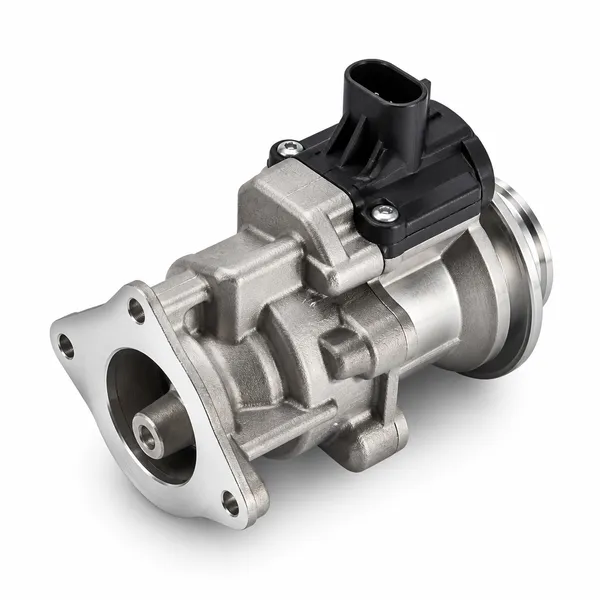
3.6 TDV8 EGR Valves & Coolers
Both banks supplied and matched to your VIN. Replacing tired EGR valves is the cheapest insurance you can buy against a turbo failure on this engine.
Get a Quote4. Cracked thermostat housing and leaks in the engine valley
The 3.6 TDV8 uses a plastic thermostat housing that sits in the valley between the two cylinder heads, and heat cycling eventually cracks it. The tell-tale is an orange stain in the V where coolant has been weeping and drying, usually long before a level warning appears on the dash.
The engine oil cooler and the oil filter mounting housing live in the same area, and their seals harden with age too, so you may find oil pooling in the vee at the same time. Owner evidence for oil-cooler leakage is strongest on the larger 4.4 TDV8, but the two engines share their architecture and the seals age the same way.
Because everything is in one place, do it as a batch when the top of the engine is already apart, rather than chasing one drip at a time. On a heavy diesel V8 that runs hot when towing, cooling-system health matters a lot — overheating one of these is not a mistake you want to make twice.
5. Injector wear and rough running
The 3.6 TDV8 runs high-pressure common-rail injectors, and like any diesel injector at big mileage they eventually wear, leak back or spray poorly. The tell-tale signs are a lumpy idle, a diesel knock or rattle, smoke, hard starting when cold, and sometimes a fuel smell.
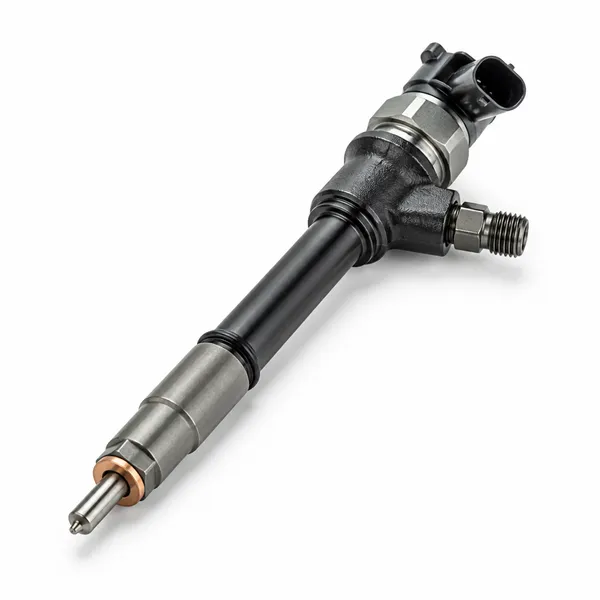
This is age and mileage rather than a design flaw specific to the 3.6, so treat it as a wear item you budget for on a high-kilometre car, not a reason to walk away from one. A diagnostic scan plus an injector back-leak test will tell you whether it is one injector or the full set, so you are never guessing.
Reconditioned and flow-tested injectors are a sensible buy here — matched units restore smooth running for far less than a new set. As with the turbos, a pre-purchase scan on any 3.6 TDV8 you are viewing will flag stored injector and glow-plug codes even if the car seems to run fine on the day.
6. Age-related leaks, glow plugs and cold-start niggles
Rounding out the list are the things every fifteen-year-old luxury diesel develops. None of these are design faults specific to the 3.6, but they are what actually lands on our parts desk, and they are cheap enough that neglecting them is false economy.
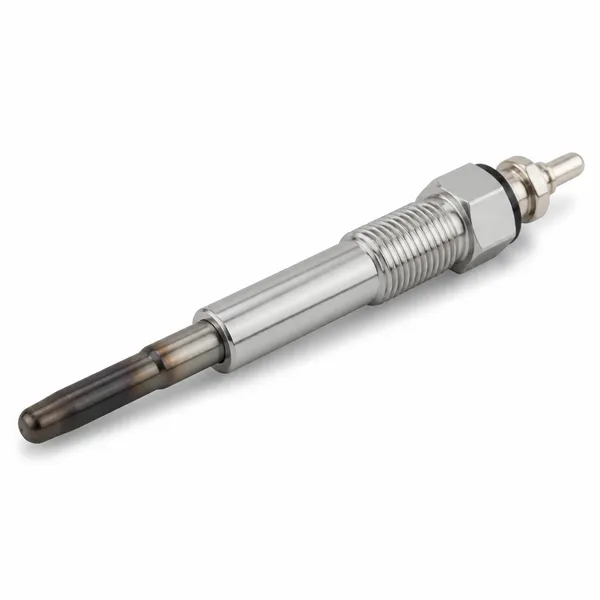
- Hardening radiator and boost hoses, and brittle plastic coolant pipes.
- Tired glow plugs giving a rough, smoky cold start.
- Perished accessory-belt components and crankshaft-pulley wear on high-kilometre engines — a routine wear item here, not a documented 3.6 failure pattern (more on that in the reliability section below).
- Weeping sump and cam-cover gaskets.
- The usual electrical gremlins that come with age and Highveld heat.
The fix is preventative: replace tired hoses and pipes as a batch when the front of the engine is apart, rather than one at a time. Good used and reconditioned parts for the Range Rover Sport range keep this affordable.
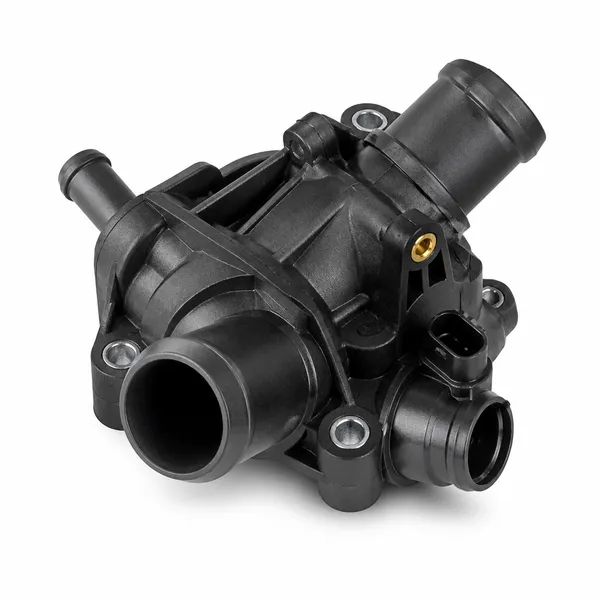
Thermostat Housings & Cooling Parts
The cracked plastic housing in the engine valley is one of the cheapest faults on this engine to put right. We supply housings, hoses and coolant pipes nationwide.
Get a QuoteIs the 3.6 TDV8 reliable — and which one should you buy?
Short answer: yes, conditionally — and if you are choosing between the two diesel V8s, buy the 2010–2012 4.4 over the 3.6, but buy service history over either.
The 3.6 TDV8 is a strong engine with one genuinely serious weakness, and that weakness is the turbochargers. A 3.6 with a documented service history and a healthy EGR system is a dependable car; a 3.6 with a thin history is a gamble, because turbo failure on this engine is frequently terminal rather than merely expensive.
What makes it terminal is the aftermath. A failing turbo can send debris into the cylinders, and rebuilding a 3.6 is usually uneconomic on a car of this age, so the vehicle gets written off rather than repaired. The redeeming detail is that EGR neglect is the upstream cause — so this is substantially a preventable failure, not an inevitable one.
The 2010 cutoff
Within the L322 Range Rover, the 3.6 TDV8 ran from 2006 to 2010 and was replaced by the 4,367 cc 4.4 TDV8 for 2010–2012. For the 2011 4.4, Land Rover moved to Honeywell TwoStage Parallel twin turbos, the first application of that architecture on any V8[4].
On that evidence the 2010–2012 4.4 is the defensible pick over the 2006–2010 3.6. But the owner community is not unanimous, and it is worth knowing why. A substantial thread on the FullFatRR owners' forum argues the opposite: that the 3.6 is the better engine precisely because its one major fault is preventable, where the 4.4's problems are a slower bleed of separate repairs. Both positions are defensible. What neither side disputes is the next point.
Service history beats model year
Every credible owner and specialist source lands in the same place. How a 3.6 TDV8 was looked after tells you far more than the year on the licence disc, and a carefully serviced 2007 car is a better buy than a neglected 2010 one.
The best-corroborated actionable advice we found — repeated independently across four separate owner and specialist platforms — is to halve the factory oil-change interval. The interval owners cite as the factory figure is 16,000 miles, about 26,000 km, though we could not confirm it against a Land Rover service document.
Owners and independent specialists across four separate platforms run half that or less — 8,000 miles, about 13,000 km, is the common landing point, and plenty go to 10,000 km. On an engine whose expensive fault starts with soot and heat, that is the cheapest insurance available.
The recall record — a useful negative
The UK DVSA vehicle recall register — the one that matters, because the diesel V8 Range Rover was never sold in North America — lists no engine-mechanical safety recall for the 3.6 or 4.4 diesel V8 across their 2006–2012 model years[3].
The Land Rover campaigns covering those years are airbags, brake hoses and two high-pressure fuel-pump bearing recalls, none of them specific to the diesel V8 and none affecting the engine's internals. That is worth stating plainly, because it means the faults above are wear and maintenance issues rather than a safety defect the manufacturer was compelled to fix.
One caveat, because you will see it quoted online. NHTSA campaign 19V040000 covers a crankshaft pulley retaining bolt that may fracture, but it applies to 2019 Range Rover, Range Rover Sport, Velar and Discovery models, and NHTSA describes them only as "V6 or V8 engines" without naming the variant[2]. It cannot apply to a 2006–2010 engine.
Anyone presenting it as a known 3.6 TDV8 crank-pulley failure is misreading the record, and we found no corroborated evidence of a systemic crankshaft pulley or crank bolt failure on the 3.6 at all.
What to check before you buy
- Pull an intercooler hose and look for oil — the classic worn-turbo sign.
- Look into the engine valley for orange staining from a cracked thermostat housing, and for oil pooling around the cooler and filter housing.
- Check the coolant level and ask about any unexplained top-ups.
- Read the service records — short oil intervals and EGR work done are the two entries you want to see.
- Have it scanned for stored boost, EGR and injector codes before you hand over money.
How much do 3.6 TDV8 repairs cost in SA?
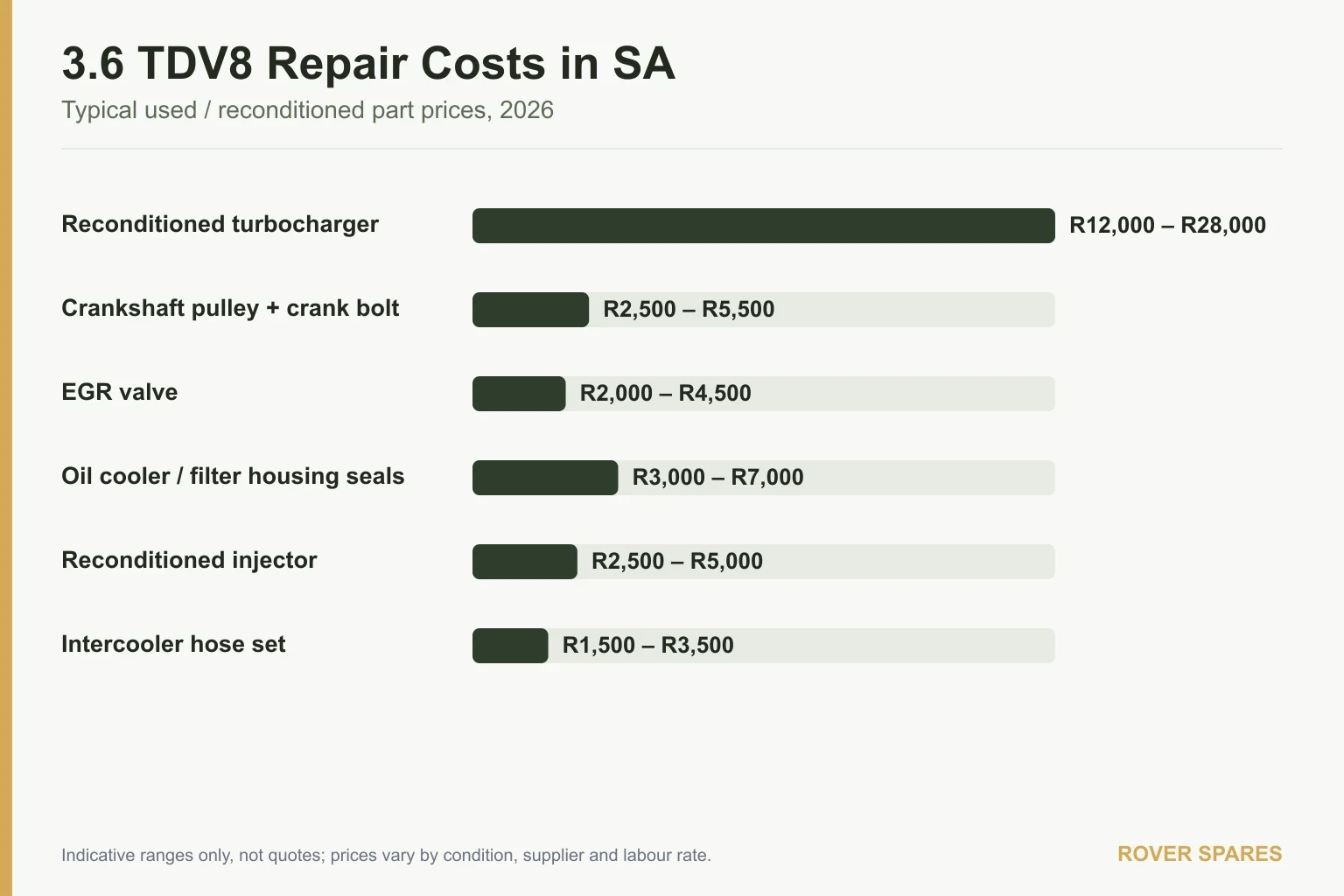
Here's a realistic guide to what these repairs run using quality used or reconditioned parts at an independent workshop — not dealer pricing. Actual figures depend on your exact model, condition and labour rates; these are indicative ranges only, not quotes.
| Repair | Typical part price (used / recon) | Notes |
|---|---|---|
| Reconditioned turbocharger | R12,000 – R28,000 | Per side; check both |
| Crankshaft pulley + crank bolt | R2,500 – R5,500 | Wear item; do with the accessory belt |
| EGR valve | R2,000 – R4,500 | Clean can be cheaper |
| Oil cooler / filter housing seals | R3,000 – R7,000 | Do with thermostat housing |
| Reconditioned injector | R2,500 – R5,000 | Per injector; test the set |
| Intercooler hose set | R1,500 – R3,500 | Rule out before new turbo |
Before you buy parts
A 3.6 TDV8 in limp mode is often quoted for two new turbochargers before anyone has pulled a pipe off to look. A split intercooler or boost hose produces the same limp mode and the same power loss as a failing turbo, and it is a fraction of the cost to put right. Where a turbo genuinely has gone, it is frequently one side rather than both. So the order to work in is: pressure-test the charge system first, confirm which bank is actually down, and only then price turbochargers. Doing it in that order is the difference between a hose set and a five-figure bill.
Need 3.6 TDV8 parts? Get a quote.
We supply used and reconditioned Land Rover 3.6 TDV8 parts across South Africa — turbos, EGRs, oil coolers, injectors and intercooler hoses — with nationwide delivery. Send us your VIN and the part you need.
Frequently asked questions
Is the Land Rover 3.6 TDV8 a reliable engine?
It is a strong engine with one serious weakness. Turbocharger failure is the fault that defines the 3.6, and it is often terminal rather than merely costly, because debris can reach the cylinders and a rebuild is rarely economic. The saving grace is that EGR neglect is the upstream cause, so it is largely preventable. A 3.6 with short oil intervals and documented EGR work is a dependable car; one with a thin history is a gamble.
What is the most common 3.6 TDV8 problem?
Turbo and EGR trouble, with split intercooler hoses close behind. Because the two turbos sit low down and are awkward to reach, and the EGR valves clog with soot over time, limp mode and power loss are the most common complaints. All three are well understood and fixable with quality reconditioned parts, so they shouldn't scare you off — but always have any 3.6 TDV8 scanned for stored codes before you buy.
Which engine is better, the 3.6 TDV8 or the 4.4 TDV8?
On the documented evidence, the 4.4. Land Rover replaced the 3.6 with the 4,367 cc 4.4 TDV8 in the L322 for 2010–2012, and moved to Honeywell TwoStage Parallel twin turbos for the 2011 model year.
The 4.4 also gained the ZF eight-speed automatic from 2011, which owners rate more highly than the six-speed used with the 3.6. It isn't a unanimous verdict, though: a substantial owners'-forum thread argues the 3.6 is the better engine because its one major fault is preventable, where the 4.4 is death by a thousand cuts. The 4.4 has its own list, which we cover in our guide to 4.4 TDV8 problems.
Are 3.6 TDV8 parts expensive in South Africa?
New dealer parts are expensive, yes — but that's not your only option. Quality used and reconditioned parts cut the cost dramatically: a recon turbo for around R12,000–R28,000 instead of dealer money that can double it, or an EGR valve for a couple of thousand rand. Buying from a specialist that tests its stock is the key to keeping a 3.6 TDV8 affordable.
How do I know if my 3.6 TDV8 turbo is failing?
The clearest sign is oil in the intercooler hoses, along with a whistle or flutter under load, smoke and limp mode. Before you commit to new turbos, though, rule out a split intercooler hose, a cracked inlet manifold, a sticking actuator or a blocked EGR — these mimic turbo failure and cost far less. A proper diagnostic scan and a look inside the boost pipes will tell you which it is.
How many kilometres will a 3.6 TDV8 do?
There is no honest fixed number, and anyone quoting one is guessing. What ends most 3.6 TDV8s is not the bottom end wearing out but a turbo failure that makes the car uneconomic to repair, and that is driven by maintenance rather than mileage. A car on 10,000 km oil intervals with its EGR system looked after will outlast a lower-kilometre car that has been neglected.
Should I buy a 3.6 TDV8 Range Rover Sport in SA?
Yes, if you buy on condition. A 3.6 TDV8 with service history and the known items sorted is superb value in South Africa. Get a pre-purchase diagnostic scan, check the intercooler pipes for oil, look for orange staining in the engine valley, and budget for turbo, EGR and cooling work if the history is thin. Bought smart and maintained with good reconditioned parts, it's a lot of car for the money.
Sources
- Fleet News — Land Rover Range Rover TDV8 road test (2006), output and torque figures: fleetnews.co.uk
- NHTSA — safety recall campaign 19V040000, crankshaft pulley retaining bolt, 2019 model year: api.nhtsa.gov
- DVSA — UK vehicle recall register, Land Rover Range Rover listings: check-vehicle-recalls.service.gov.uk
- Automotive Industries — Honeywell TwoStage Parallel turbo launch on the Range Rover V8 diesel: ai-online.com