
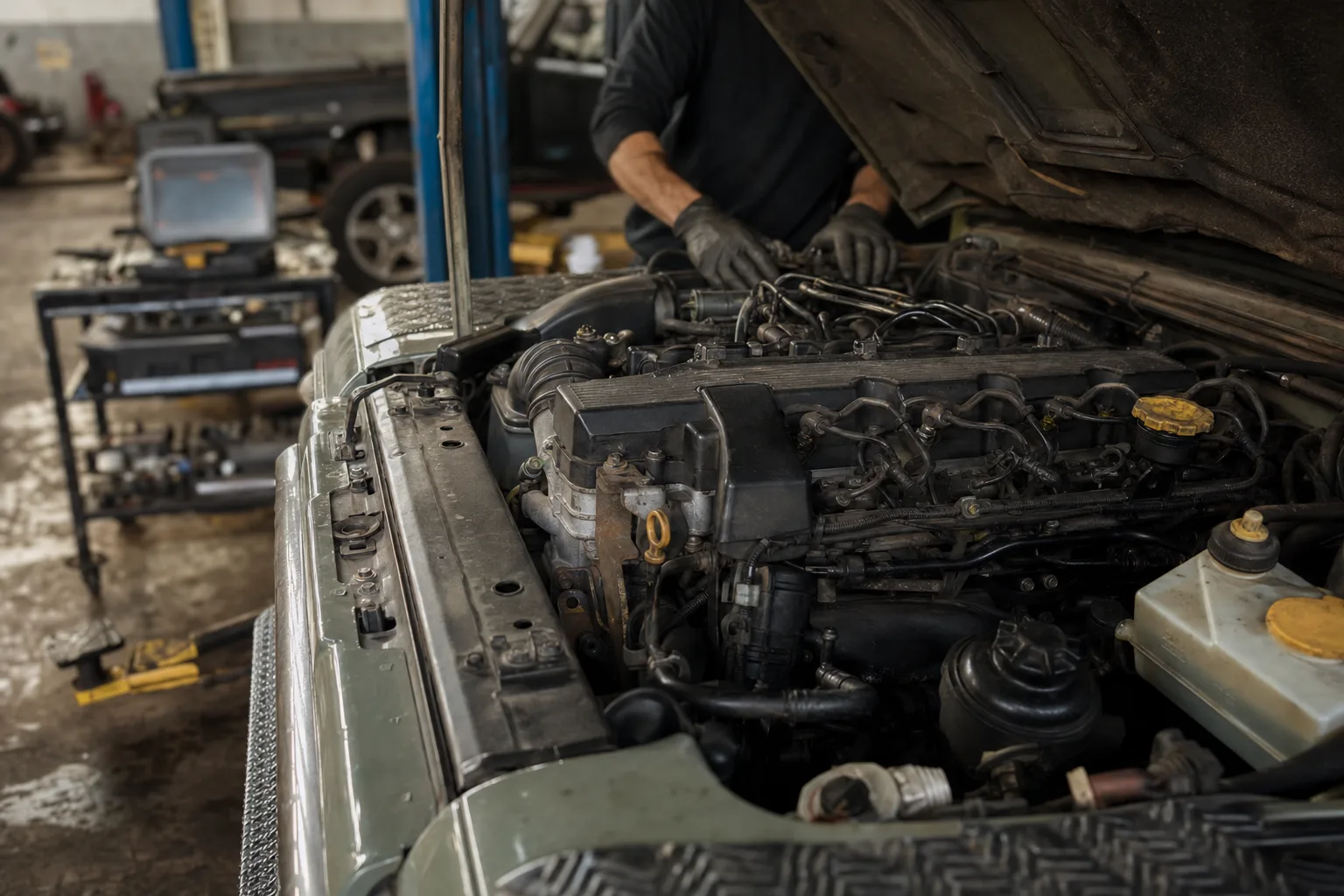

The most common Land Rover Td5 engine problems are the injector wiring loom chafing and leaking oil into the ECU, the pre-2001 oil pump drive bolt and dowel working loose, head gasket failure from the plastic locating dowels, a faulty crankshaft position sensor, a leaking fuel pressure regulator and a dirty MAF sensor.
The Td5 — the 2.5-litre five-cylinder turbodiesel fitted to the Defender and Discovery 2 from roughly 1998 to 2007 — is one of the toughest engines Land Rover ever built, and every fault on that list is cheap to diagnose and cheap to catch early with quality used or reconditioned parts here in South Africa.
Most of the common jobs land between R1,500 and R12,000 in parts, a fraction of dealer pricing. Below are the six problems that come up most on the Td5, what they cost to sort, and how to tell a solid engine from a tired one before you buy.
- The Td5's most infamous fault is the injector harness (loom) chafing and leaking, which lets oil track down the wires into the ECU — the classic cause of a rough-running or hard-starting engine.
- Pre-2001 engines can suffer an oil pump drive bolt working loose and a misaligned oil pump drive dowel — the one genuinely engine-killing fault, so history matters.
- Watch for head gasket failure caused by the original plastic head dowels; the proper fix uses metal dowels so it never comes back.
- Most Td5 repairs are affordable with used or reconditioned parts — an injector loom for around R1,500–R3,000 fitted, versus dealer money.
- A pre-purchase diagnostic scan plus a look under the rocker cover tells you more than any test drive — none of these faults are reasons to avoid a Td5, just to buy smart.
1. Injector harness (loom) chafing and oil in the ECU
This is the Td5 fault everyone talks about, and for good reason. The fuel injector wiring loom runs under the rocker cover, and over the years the insulation chafes against the cover or the injectors, while the O-rings on the loom's connectors harden and leak.
Engine oil then wicks slowly along the wires and, on many engines, tracks all the way down into the ECU near the red plug — the fault owners nickname the "spider" for the way the loom fans out over the injectors. The symptoms are a rough idle, a misfire, hard starting, or an engine that cuts out intermittently for no obvious reason.
The repair is one of the most satisfying on the Td5 because it is cheap and permanent. You replace the injector loom and its O-rings, and if oil has reached the ECU you clean the board with isopropyl alcohol. It is as much an electrical job as an engine one, which is why we keep looms alongside our Land Rover electrical and wiring parts. Do it once with a good loom and the rough running clears for good.
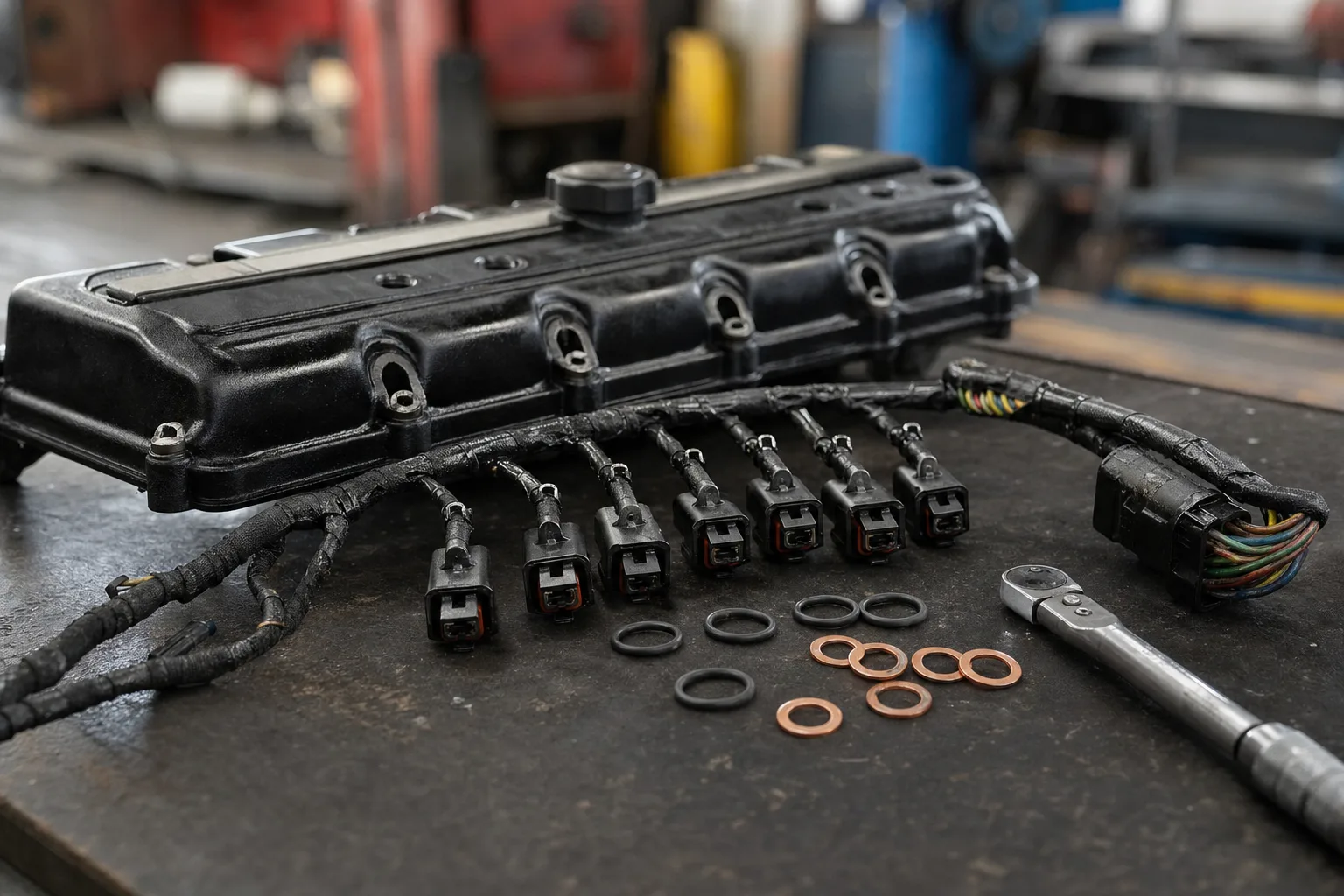
Td5 Injector Loom & Engine Parts
Injector harnesses, O-ring kits, oil pumps and head sets for the five-cylinder Td5 — the parts that cure rough running and hard starting. Tell us your VIN and we'll match the exact unit.
Get a Quote2. Oil pump drive bolt and dowel failure
This is the one that can genuinely kill a Td5, so it matters most on any engine without solid history. On earlier engines (broadly pre-2001) the oil pump sprocket bolt left the factory without threadlock, so it can work loose over time. If it backs off and drops, the pump stops driving, oil pressure collapses, and the engine can be wrecked within minutes.
There is a second, separate mechanism too: the front-cover locating dowels can sit slightly misaligned, which loads the oil pump gears unevenly until they crack or shed teeth and stop pumping. Land Rover issued a technical alert covering a run of affected engines, so the fault is well recognised rather than folklore.
The sensible move on any high-mileage or unknown-history Td5 is to have the oil pump bolt checked, replaced with an updated high-tensile bolt and threadlock, and the drive dowel and pick-up inspected as a preventative measure. It is a modest job compared with a seized engine, and the warning sign to act on is the oil-pressure light flickering at idle.
If you are weighing a Defender against a Discovery 2, note the Disco shares this engine exactly — we cover the wider platform faults in our guide to common Discovery 2 problems.
3. Head gasket failure and the plastic dowel problem
Td5 head gaskets have a reputation, but the real culprit is usually the two plastic locating dowels Land Rover used to align the cylinder head with the block. Over time and heat cycles those dowels wear, the head can shift a fraction, and the gasket eventually lets go. You'll see the usual signs — white mayonnaise under the oil cap, coolant loss, pressurised header tank, or overheating — but the cause is specific to this engine.
The fix done properly is a lasting one: the head comes off, the plastic dowels are replaced with metal ones, the head is checked for flatness, and new head bolts and a quality gasket go back on. Cut corners and you'll be back in a year; do it right and it stays fixed.
This is also the repair where the parts-quality decision matters most — our breakdown of genuine, aftermarket and used Land Rover parts explains when a tested recon head or an OE-spec gasket set is worth it and when a budget kit is a false economy.
A tested reconditioned cylinder head or a full gasket set from stock keeps the cost sane, and we'll advise whether a skim or a recon head is the better call for your engine.
4. Crankshaft position sensor and starting faults
The Td5 relies on a crankshaft position sensor (CKP) to time injection, and when it fails or its signal is disturbed you get intermittent no-starts, stalling, or a cutting-out engine that then fires up again as if nothing happened. On some engines the starter motor's electrical noise can interfere with the sensor signal too, which sends owners chasing ghosts. It is a cheap part that causes expensive frustration when it is misdiagnosed.
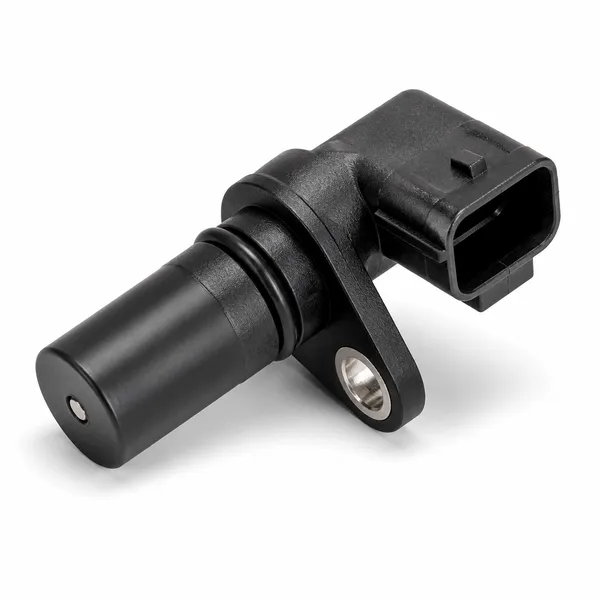
Because the symptoms overlap with the injector loom, fuel pressure and even a tired ECU, a proper diagnostic scan is worth every rand before you buy anything. Often the fault codes point straight at the crank sensor. If you're cross-shopping a coil-sprung Defender, the Td5 in the Defender 110 behaves identically here — same sensor, same symptoms, same cure. Replace the sensor with a quality unit and the mystery no-start usually disappears.
5. Fuel pressure regulator, injector seals and fuel in the oil
A Td5 that shows a rising oil level, or oil that smells of diesel, is telling you fuel is getting past somewhere it shouldn't. The common causes are worn injector copper washers and seals, a leaking or worn fuel pressure regulator (FPR), or tired injectors letting fuel wash down the bores into the sump. Diluted oil loses its ability to protect the bearings, so this is not something to leave — it quietly wears the engine while everything still runs.
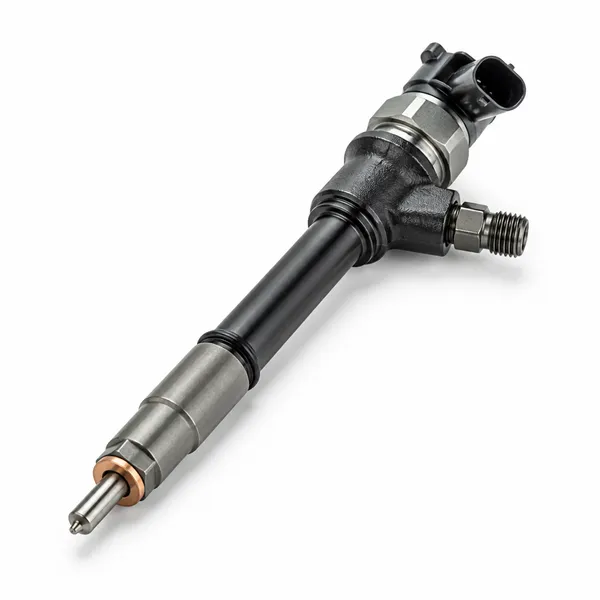
The FPR is worth calling out on its own because it catches so many owners. It lives in the in-tank fuel pump and holds the rail at around 4 bar; as it wears it can no longer hold that pressure steady, so the engine starves under load.
The tell-tale is a Td5 that idles and pulls fine on the flat but goes flat and loses power at full boost on a hill or under hard acceleration, sometimes with a stall or an uneven idle dropping into a junction. A diesel leak on the driveway from the pump top is the other giveaway.
The fix is usually a set of new injector seals and washers, and where needed a new FPR or reconditioned injectors. It's a good-value job that also cures smoke, hard starting and poor economy at the same time.
Browse our Td5 engine parts or send us your symptoms and we'll tell you honestly whether you need seals, a regulator, or a full injector set before you spend.
6. MAF sensor, turbo and boost niggles
Rounding out the list are the breathing faults that make a healthy Td5 feel gutless. A dirty or failing mass air flow (MAF) sensor upsets the fuelling and can put the engine into limp mode; a leaking or split intercooler hose loses boost; and the variable-nozzle turbo actuator can stick with age and soot.
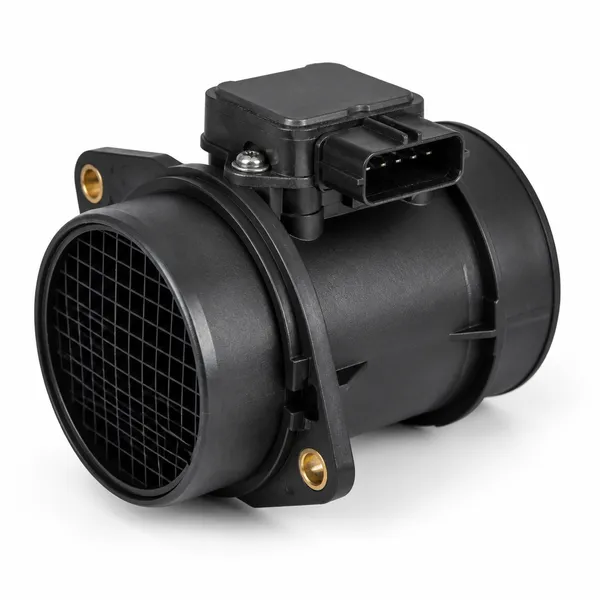
The result is flat performance, a whistle or flutter under load, or a warning light that comes and goes. Many owners assume the worst and price a new turbo when the real fault is far cheaper.
If you're cross-shopping the later diesels, the same boost-chasing advice applies to the V6, which we cover in our guide to the 2.7 TDV6's known weak spots.
Don't throw a turbo at a boost problem before you've checked the MAF, the hoses and the actuator. A clean or a new MAF, a fresh intercooler hose, or a freed actuator often restores full power for a couple of thousand rand. When a turbo genuinely is worn, a reconditioned unit fitted correctly brings back the performance for far less than new. A scan for boost and MAF codes points you the right way first time.
How much do Td5 engine repairs cost in SA?
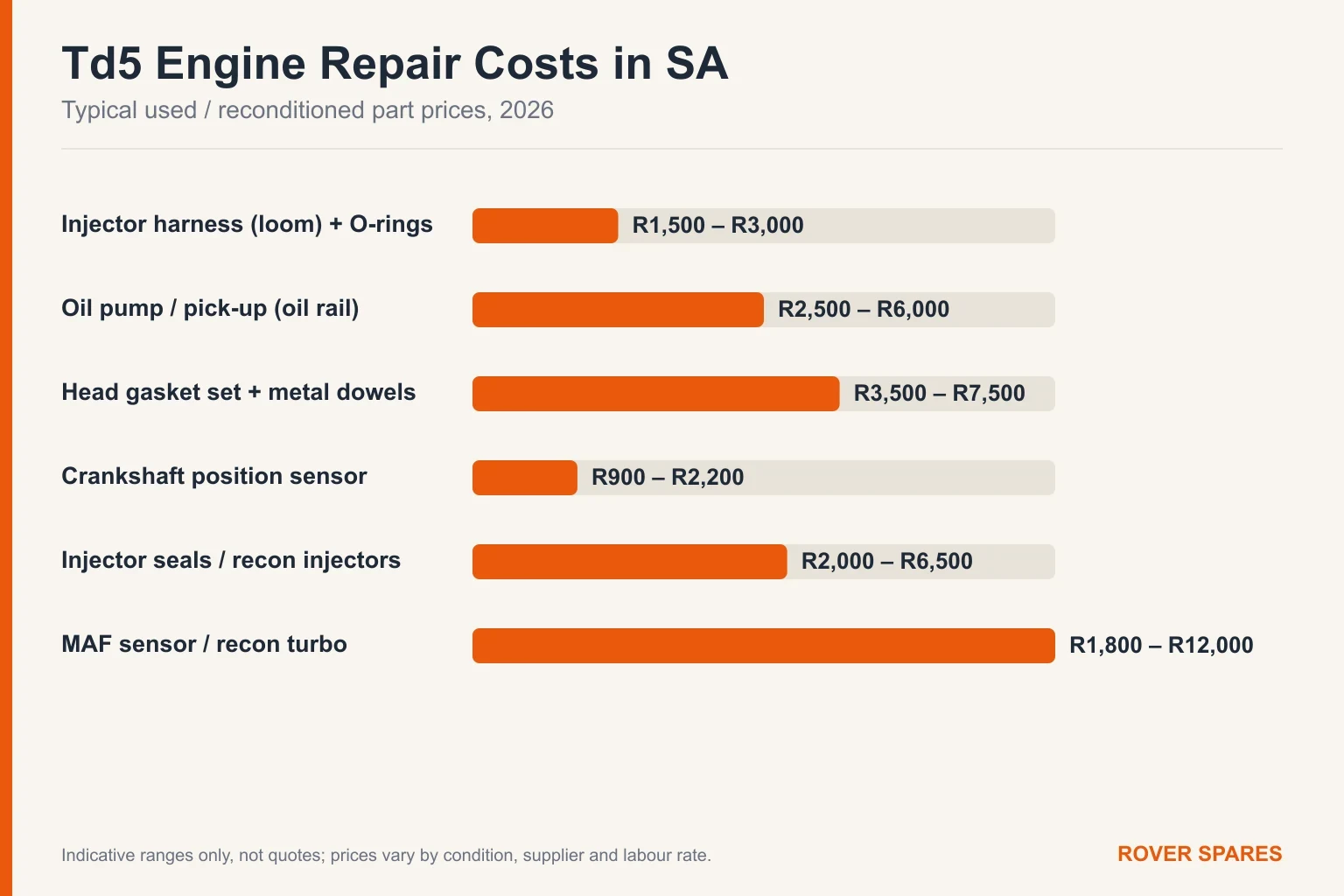
Here's a realistic guide to what these Td5 repairs run using quality used or reconditioned parts at an independent workshop — not dealer pricing. Actual figures depend on your exact model, condition and labour rates; these are indicative ranges only, not quotes.
| Repair | Typical part price (used / recon) | Notes |
|---|---|---|
| Injector harness (loom) + O-rings | R1,500 – R3,000 | Clean ECU if oil reached it |
| Oil pump / drive bolt & dowel | R2,500 – R6,000 | Do preventatively on old engines |
| Head gasket set + metal dowels | R3,500 – R7,500 | Recon head extra if needed |
| Crankshaft position sensor | R900 – R2,200 | Cheap; scan to confirm first |
| Injector seals / FPR / recon injectors | R2,000 – R6,500 | Cures fuel-in-oil & power loss |
| MAF sensor / recon turbo | R1,800 – R12,000 | MAF often enough |
Before you buy parts
Before anyone opens up the fuelling or condemns an ECU on a Td5, have the injector loom and the ECU connector inspected. A chafed harness lets oil track up the wiring and into the ECU, and what that produces looks exactly like injector or ECU failure: rough running, cutting out at idle, hard starting. It is one of the cheapest things on the engine to put right and one of the most frequently skipped over. Rule it out properly first, then spend money on the harder-to-reach items if the fault is still there.
Need Td5 engine parts? Get a quote.
We supply used and reconditioned Land Rover Td5 parts across South Africa — injector looms, oil pumps, head sets, sensors, turbos and injectors — with nationwide delivery, and we ship Td5 parts to buyers in Durban. Send us your VIN and the part you need.
Frequently asked questions
Is the Land Rover Td5 engine reliable?
Yes, the Td5 is one of the more dependable diesels Land Rover has fitted, provided the known items are looked after. Its main faults — the injector loom leaking oil into the ECU, the pre-2001 oil pump drive bolt, head gasket dowels, the crank sensor and fuel diluting the oil — are all well documented and repairable.
A Td5 with those items sorted and a bit of history behind it will run past 300,000 km. Buy on condition and service records, and budget for a catch-up service in the first year.
What is the most common Td5 problem?
The injector wiring harness, by a distance. The loom chafes and its O-rings leak, letting oil track down the wires into the ECU near the red plug, which causes rough running, misfires and hard starting. It's also one of the cheapest faults to fix — a new loom and O-rings, plus an ECU clean if needed — so it shouldn't scare you off, but it's the first thing to check on any rough-running Td5.
Which Td5 problem is the one that destroys engines?
The oil pump drive bolt on earlier (broadly pre-2001) engines. If it works loose and drops, oil pressure collapses and the engine can be wrecked in minutes. A misaligned oil pump drive dowel can do the same by stressing the pump gears until they fail.
On any old or unknown-history Td5 it's worth having the bolt replaced with the updated high-tensile item and the dowel checked as a preventative job. It's cheap insurance against a very expensive failure, which is why it is worth checking first when buying an early Defender or Discovery 2.
Are Td5 parts expensive in South Africa?
New dealer parts can be, but that's not your only option. Quality used and reconditioned Td5 parts cut the cost dramatically — an injector loom for around R1,500–R3,000, a crank sensor under R2,200, a head gasket set with metal dowels for a few thousand rand rather than dealer money. Buying from a specialist that tests its stock is the key to keeping a Td5 affordable to run.
Why is there fuel in my Td5 oil?
Rising oil level or a diesel smell in the oil usually means worn injector seals and copper washers, a leaking fuel pressure regulator, or tired injectors washing fuel down the bores. Diluted oil can't protect the bearings, so it's worth fixing promptly. A set of new injector seals and washers, and a regulator or reconditioned injectors where needed, usually cures it — and often improves starting and economy at the same time.
What are the symptoms of a failing Td5 fuel pressure regulator?
A worn Td5 fuel pressure regulator (FPR) can't hold the rail at its 4-bar target, so the engine starves under load. The classic symptom is a Td5 that idles and cruises fine but goes flat and loses power at full boost — on a hill or under hard acceleration — sometimes with a rough idle or a stall dropping into a junction.
A diesel leak from the top of the in-tank pump is another sign. Confirm it by measuring fuel pressure at idle and under load before replacing the regulator.
How many kilometres will a Td5 do?
A well-maintained Td5 will comfortably pass 300,000 km, and plenty do far more. The engine's bottom end is genuinely tough; what ends most Td5s is a neglected oil pump bolt, an ignored head gasket, or diluted oil — not the engine itself. Stay on top of the known items with quality parts and it will keep going for years.
Sources
- Honest John — Land Rover Defender (Td5 era) owner-reported good & bad points: honestjohn.co.uk
- Engine Finder — Land Rover Defender Td5 engine problems overview: enginefinder.co.za