
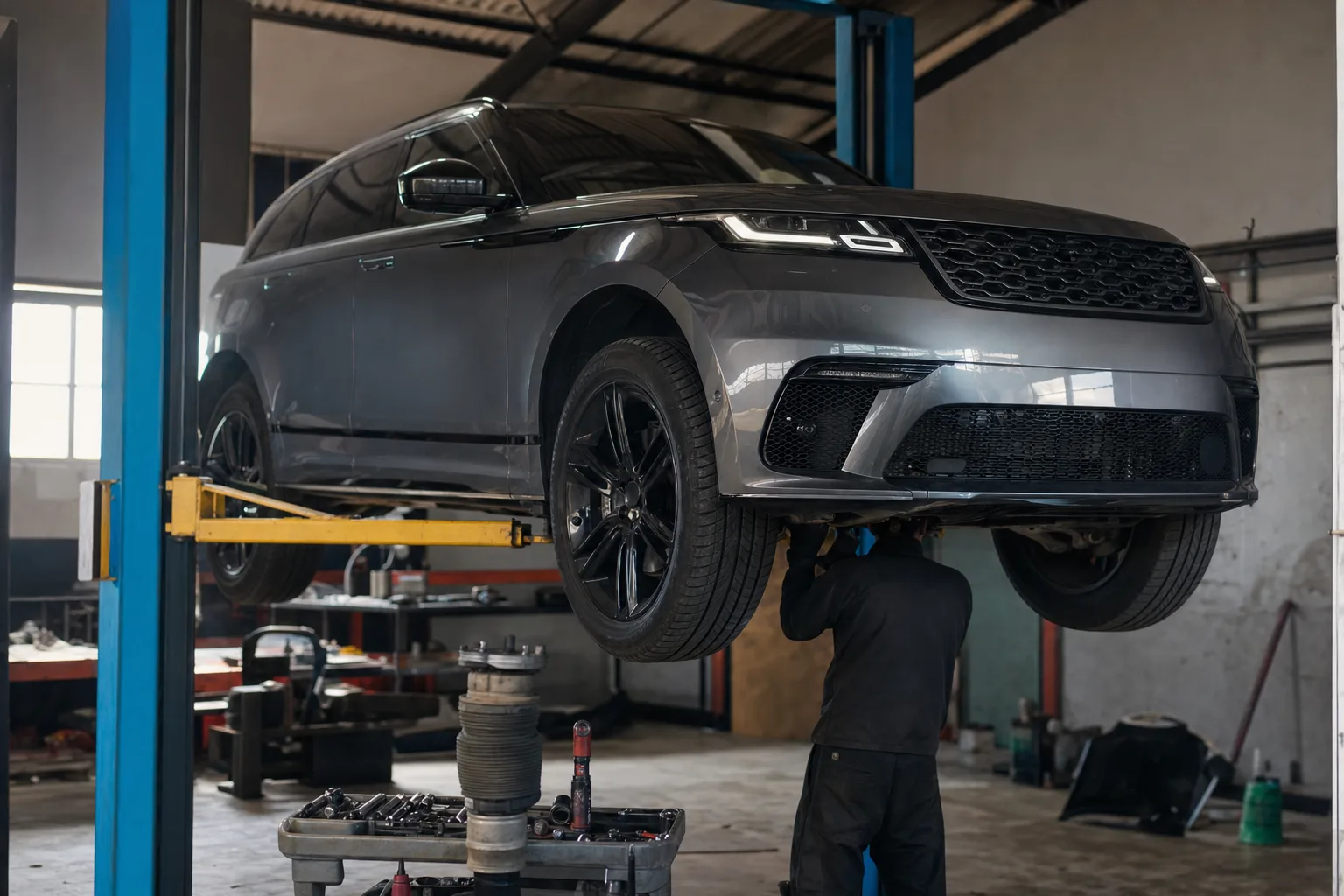

The Range Rover Velar (the L560, launched in 2017) is one of the best-looking SUVs Land Rover has ever built, and a used one is now genuinely affordable in South Africa. But the same design that makes it desirable also hides a few well-documented weak spots — most of them tied to the Ingenium engines, the Touch Pro Duo screens and the air suspension.
The good news is that none of these are mysteries. Every common Velar fault is known, diagnosable and fixable, and the used Land Rover spares to fix them are widely available used and reconditioned here in SA at a fraction of dealer prices. Below are the six problems that come up most often on the Velar, what they cost to sort, and how to buy one without inheriting someone else's headache.
- The Velar's most talked-about issue is the Ingenium diesel wet timing belt — the belt runs in oil and must be replaced on schedule, or debris can starve the oil pump.
- On the diesel, oil dilution from short stop-start trips is real — check the oil level isn't rising and change it on time.
- The Touch Pro Duo infotainment is glitchy: freezing screens, black displays and reboots are the classic complaints, often fixable with a software update or a reconditioned module.
- Most repairs are far cheaper with quality used or reconditioned parts — an infotainment screen module runs about R6,000–R14,000 instead of dealer money.
- A pre-purchase diagnostic scan (engine, air suspension, infotainment, battery) tells you more than any test drive on a Velar.
1. Ingenium diesel wet timing belt (the big one)
If there is one thing to understand before buying a diesel Velar, it's the wet timing belt. The 2.0-litre Ingenium diesel (and the four-cylinder petrol) uses a rubber timing belt that runs inside the engine, bathed in oil, rather than a traditional chain.
When the belt is neglected past its service interval, the rubber can start to break down and shed fine debris. That debris can find its way to the oil pump pickup and starve the engine of oil pressure — and on any engine, low oil pressure is how you turn a service item into a rebuild.
The fix is discipline, not luck: replace the wet belt and its oil pump on the manufacturer's schedule, and always use the correct low-SAPS oil. If you're buying a used Velar diesel with patchy history, budget to do the belt as a reset.
We stock the Ingenium engine parts for this job — the same kits you'll find on our Range Rover Evoque parts pages — and the same wet-belt caution applies right across the Ingenium range, including the diesel Range Rover Evoque that shares the engine family.
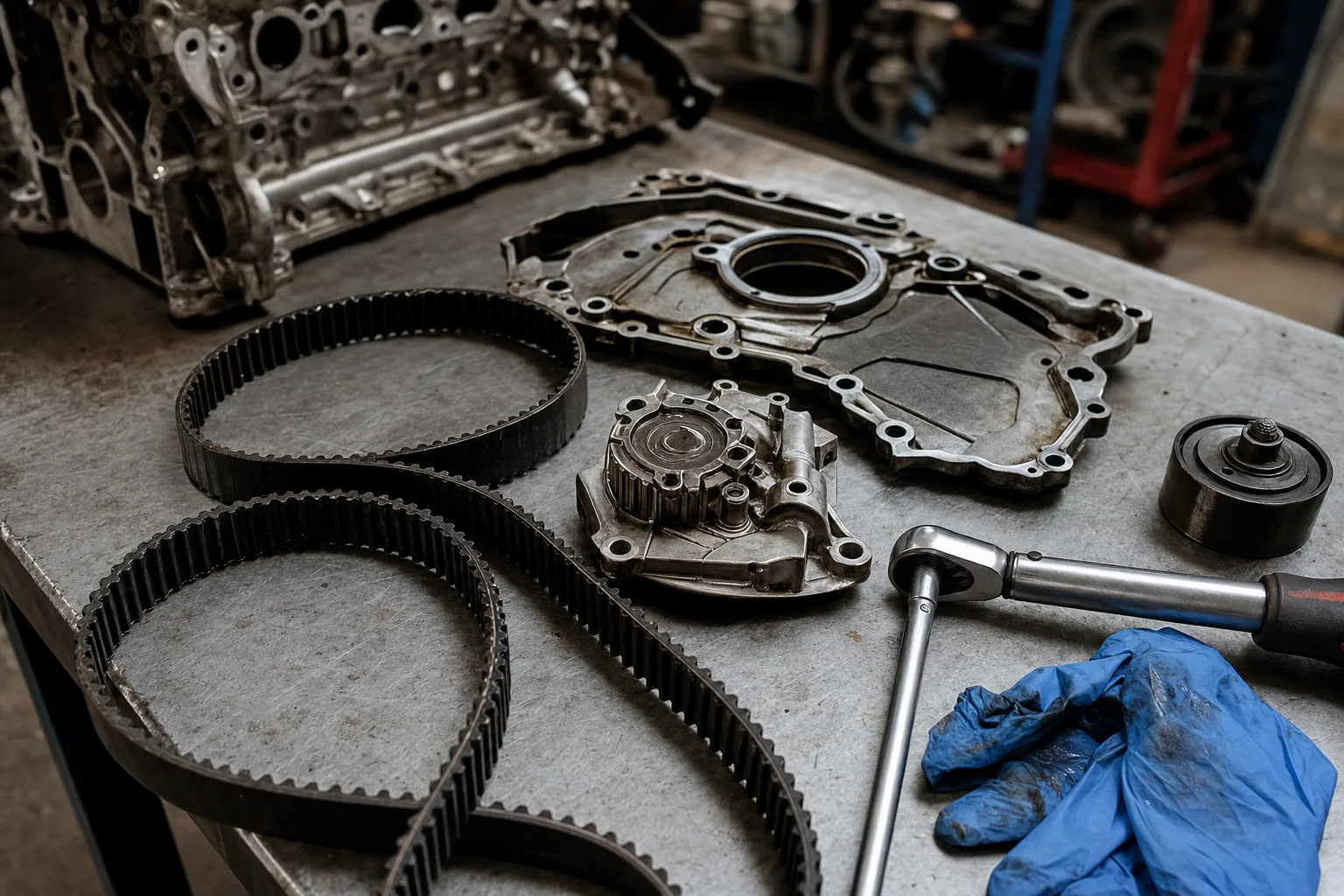
Velar Ingenium Timing & Engine Parts
Wet timing belts, oil pumps, tensioners and Ingenium engine spares for the L560 diesel and petrol — the parts that prevent an oil-starvation disaster. Send us your VIN and we'll match the exact kit.
Get a Quote2. Oil dilution on the diesel
Closely related to the belt is oil dilution, a quirk of modern diesels with a DPF that hits Velars driven mostly on short trips. To burn off soot, the engine periodically injects extra fuel to regenerate the diesel particulate filter.
On short journeys that regeneration never completes, and some of that unburnt fuel washes past the rings into the sump. The result is a rising oil level and thinning oil that protects the engine less well — exactly what you don't want on an engine with a belt running in that oil.
The symptoms are a dipstick reading that climbs above full, a diesel smell to the oil, and sometimes a warning about incomplete regeneration.
The cure is mostly usage: give the car a proper motorway run regularly so the DPF can complete a regen, and change the oil on time (or sooner if the car lives in traffic). If the oil level is climbing on a car you're viewing, walk away or negotiate hard — it points to a neglected maintenance life.
3. Touch Pro Duo infotainment glitches
The Velar's showpiece is its twin-screen Touch Pro Duo dashboard, and it's also its most complained-about feature. Owners report the upper or lower screen freezing, going black, rebooting on its own, losing the reversing camera, or the climate controls becoming unresponsive. Sometimes it's a software bug cured by the latest update; sometimes it's a genuine hardware fault in a screen or the head unit that needs a replacement or reconditioned module.
Before spending big, get it diagnosed properly — a surprising number of "dead screen" cases are actually a software glitch or a tired battery causing voltage drops that upset the electronics.
When a screen or module genuinely has failed, a tested reconditioned unit fitted by a competent auto-electrician restores the dashboard for a fraction of dealer pricing. You'll find these among our electronic module and electrical parts, and the same head-unit gremlins show up on its platform sibling, the Range Rover Sport L494.
4. Air suspension faults
Most Velars ride on air suspension, and like every air-sprung Land Rover it's a wear system, not a lifetime one. The tell-tale signs are the car sitting low on one corner after standing overnight, a "suspension fault" message, the ride height refusing to raise, or the compressor running for ages without getting the car up.
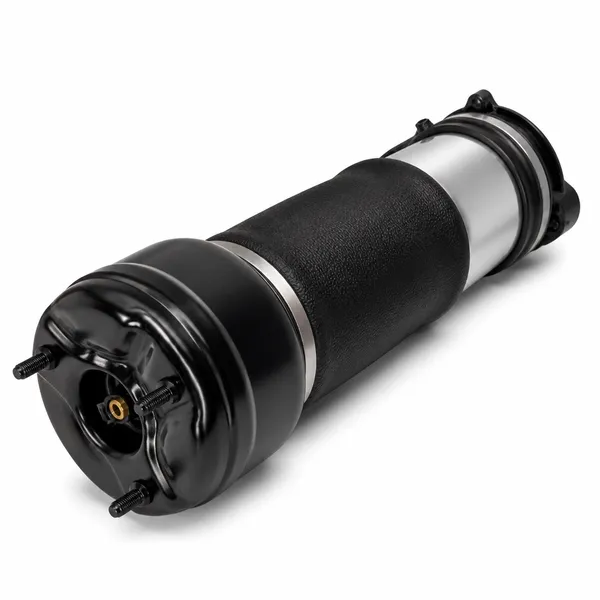
Causes range from a perished air spring leaking slowly, to a tired compressor that can't hold pressure, to a failed height sensor feeding the module bad data.
This is a repairable, corner-by-corner system rather than a design disaster. A single air spring is the cheaper fix; the compressor is the bigger ticket. Fitting quality reconditioned air suspension parts keeps the Velar riding exactly as Land Rover intended without dealer pricing.
On a test drive, cycle the ride height up and down and let the car stand for a while — a slow leak that drops one corner overnight is easy to miss if you only drive it warm.
Velar Air Suspension Parts
Reconditioned compressors, air springs and height sensors for the L560 — the parts that fix the "sitting low" fault. Tell us your VIN and we'll match the exact unit for your Velar.
Get a Quote5. Electrical and 12V battery gremlins
The Velar is a heavily computerised car, and a lot of its "faults" trace back to one humble part: the 12-volt battery. When it weakens, the low voltage upsets everything from the infotainment and the keyless entry to random warning lights and a car that won't wake up properly.
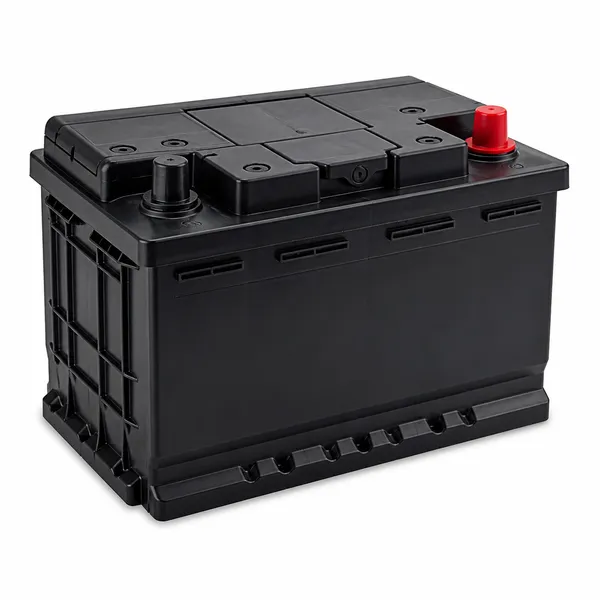
Owners often chase expensive module faults that turn out to be a flat or ageing battery, or parasitic drain from a module that won't go to sleep. It's the first thing a good workshop checks.
Beyond the battery, the usual modern-SUV niggles appear with age: door-latch microswitches, parking sensors, tailgate modules and the odd wiring or earth issue. Most are affordable electrical repairs rather than bank-breakers, and reconditioned modules are a sensible buy. A pre-purchase scan will flag stored electrical codes even when no warning light is showing on the day you view the car — a battery and a full scan are the cheapest insurance you can buy on a Velar.
6. DPF blockage and cooling-system niggles
Rounding out the list are the age-related items every used diesel SUV develops. The diesel particulate filter can clog on a Velar that only ever does short school-run trips, throwing a warning light and, if ignored, dropping the car into limp mode. Alongside that come the usual leaks of a car heading past 100,000 km: plastic coolant pipes and hoses going brittle, the odd thermostat housing seep, and the water pump reaching the end of its life.
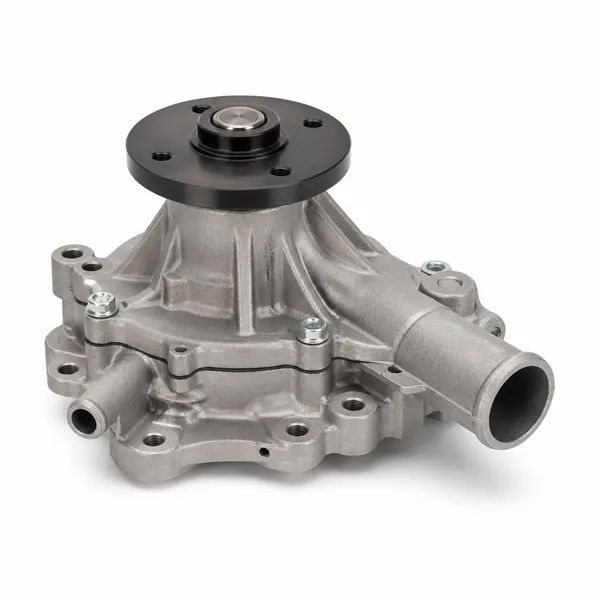
The DPF fix is usually behavioural first — a good long run to force a regeneration — and only a clean or replacement if it's genuinely blocked.
For the cooling niggles, the sensible approach is preventative: replace tired pipes, hoses and the water pump as a batch when the front is apart, rather than chasing one leak at a time. Good used and reconditioned parts for the Range Rover Velar make this affordable, and doing it properly once beats overheating an Ingenium engine.
How much do Range Rover Velar repairs cost in SA?
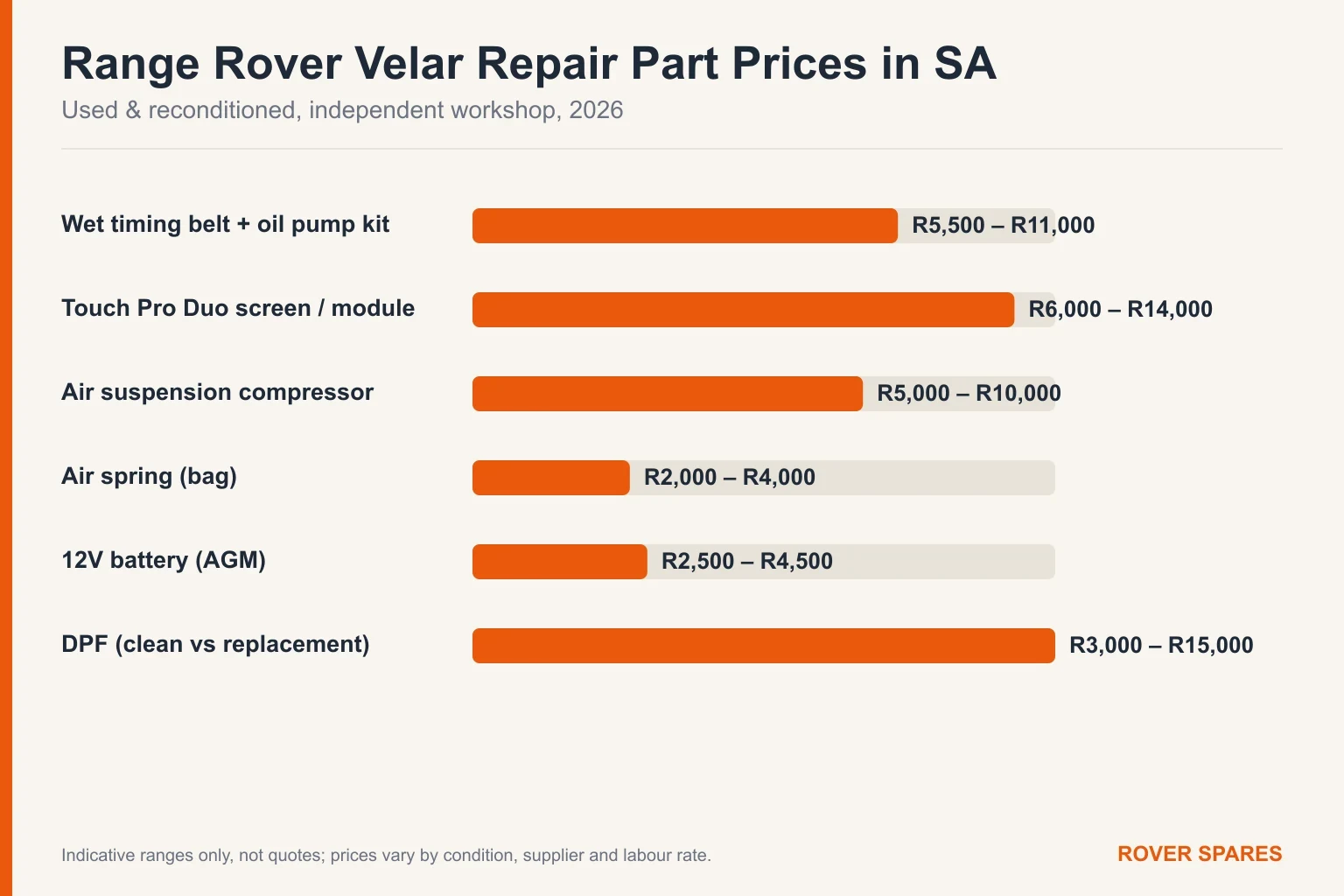
Here's a realistic guide to what these repairs run using quality used or reconditioned parts at an independent workshop — not dealer pricing. Actual figures depend on your exact model, condition and labour rates; these are indicative ranges only, not quotes.
| Repair | Typical part price (used / recon) | Notes |
|---|---|---|
| Wet timing belt + oil pump kit | R5,500 – R11,000 | Do on schedule, not "when it fails" |
| Touch Pro Duo screen / module | R6,000 – R14,000 | Recon module vs dealer new |
| Air suspension compressor | R5,000 – R10,000 | Vs R16,000+ new at dealer |
| Air spring (bag) | R2,000 – R4,000 | Per corner |
| 12V battery (AGM) | R2,500 – R4,500 | Fixes many "electrical" faults |
| DPF (clean vs replacement) | R3,000 – R15,000 | Clean far cheaper than new |
Before you buy parts
A Velar screen that freezes and reboots is not automatically a dead module. Voltage and software come first, in that order. These systems are fussy about a weak or ageing battery, and an out-of-date software version will produce reboot loops that a proper update settles for nothing. Only once the unit has genuinely been ruled in does replacement make sense, and even then it is the one head unit rather than the full infotainment set. Good used units come out of accident-damaged vehicles all the time and are worth testing before anyone pays franchise money for new.
Need Range Rover Velar parts? Get a quote.
We supply used and reconditioned Land Rover Range Rover Velar parts across South Africa — Ingenium engine parts, air suspension, Touch Pro Duo modules and electrics — with nationwide delivery. Send us your VIN and the part you need.
Frequently asked questions
Is the Range Rover Velar reliable?
The Velar has a mixed reputation, but it's more encouraging than the horror stories suggest. Its known faults — the Ingenium wet timing belt, oil dilution on the diesel, Touch Pro Duo glitches, air suspension wear and 12V battery gremlins — are all well documented and fixable.
A Velar with a full service history and those items looked after is a genuinely comfortable, dependable SUV. One that's been run on short trips and skipped services will cost you. Buy on condition and history, not just price.
What is the most common Range Rover Velar problem?
For the diesel, the wet timing belt and its knock-on oil-starvation risk is the fault that matters most, because ignoring it is the expensive one. For everyday annoyance, the Touch Pro Duo infotainment freezing or rebooting is the complaint owners raise most. Both are manageable: the belt with on-time servicing, the screens with a software update or a reconditioned module.
Should I buy the petrol or diesel Velar in South Africa?
Both use Ingenium engines, so the wet-belt rule applies either way. The diesel offers stronger torque and better economy for long-distance and towing, but suffers oil dilution and DPF issues if it only does short trips. The four-cylinder petrol avoids the DPF headache and suits mostly-town driving. Whichever you pick, budget for the timing belt service and check the infotainment and air suspension carefully.
Are Range Rover Velar parts expensive in South Africa?
New dealer parts are expensive, yes — but that's not your only option. Quality used and reconditioned parts cut the cost dramatically: a Touch Pro Duo module for around R6,000–R14,000 instead of R21,000+, or an air compressor for R5,000–R10,000 rather than R16,000+ at a dealer. Buying from a specialist that tests its stock is the key to running a Velar affordably.
How serious is the Velar wet timing belt issue?
It's serious only if you ignore it. The belt runs in oil and is a scheduled service item; replaced on time with the correct oil, it's a non-event. Left far past its interval, the belt can shed debris that blocks the oil pump pickup and starves the engine. The lesson is simple: never buy a used diesel Velar without knowing when the belt was last done, and do it as a reset if the history is unclear.
Why does my Velar screen keep freezing or going black?
Usually one of three things: a software bug cured by the latest update, a weak or ageing 12V battery causing voltage dips that upset the electronics, or a genuine hardware fault in a screen or the head-unit module. Always rule out the battery and a software update first — they're cheap. If a module has truly failed, a tested reconditioned unit fixes it for far less than dealer pricing.
Sources
- Honest John — Range Rover Velar owner-reported good & bad points and common faults: honestjohn.co.uk
- Haynes — guidance on wet (oil-immersed) timing belts and why on-time replacement matters: haynes.com