
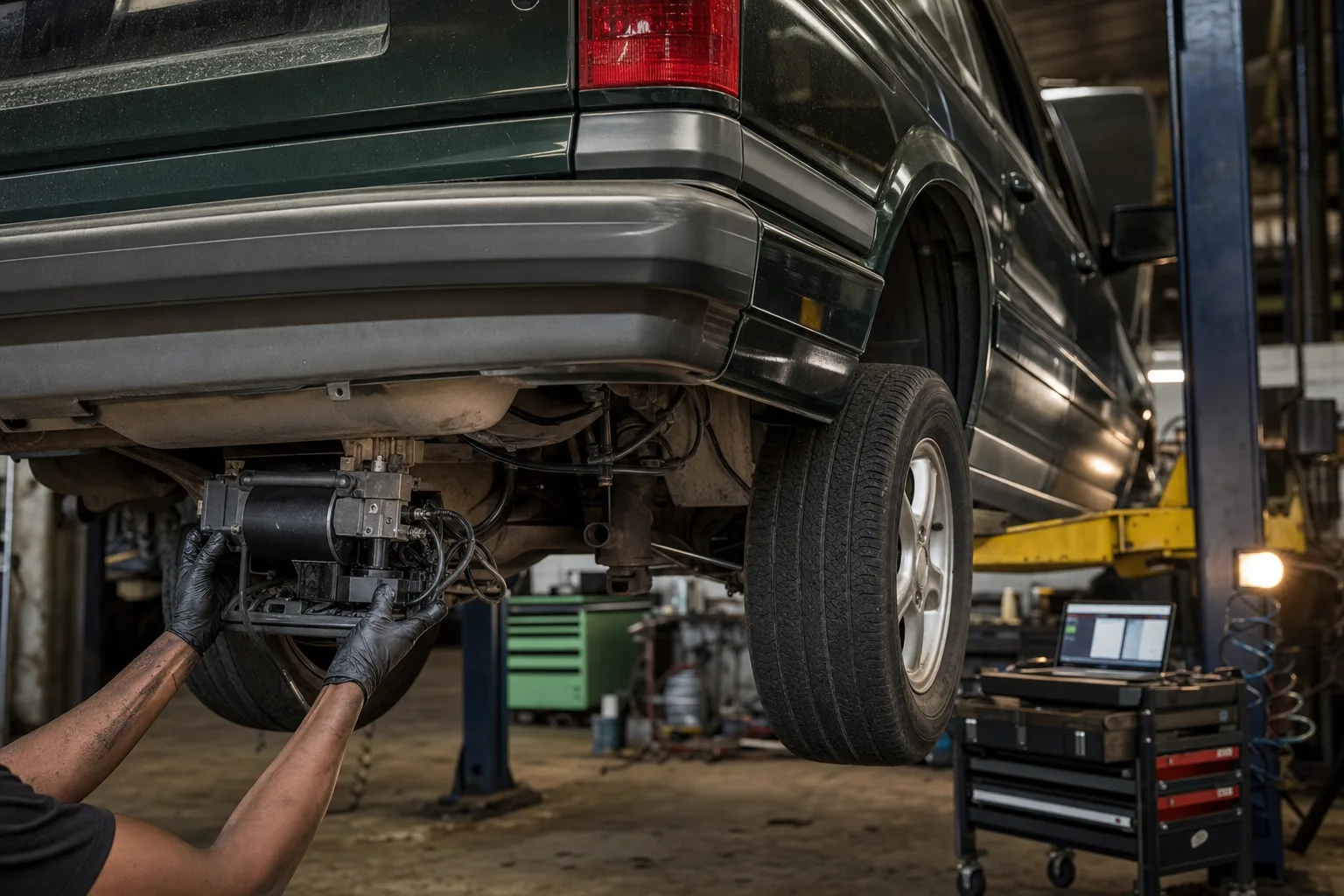

The Range Rover P38 (the P38A, built 1994–2002) is one of the most tempting used luxury 4x4s in South Africa — a proper old-school Range Rover for the price of a modest hatchback. It's also the one that scares people, and often for good reason.
Buy a P38 that's been fettled by someone who understands it and you have a wonderfully capable, comfortable classic. Buy a neglected one and the electronics, air suspension and V8 cooling system will empty your wallet in a hurry.
The reassuring part: almost every P38 fault is a known quantity, and the parts are readily available used and reconditioned here in SA at a fraction of what a dealer would charge for new. Below are the six problems that come up most often on the P38, what they cost to sort, and how to tell a keeper from a project.
- The P38's headline weak spot is its EAS air suspension — the compressor, air springs and valve block are wear items, and a car sitting on its bump stops overnight is the classic symptom.
- The BeCM and immobiliser can lock you out of the car entirely — a flat or aged battery is the usual trigger, and it's the fault that strands more P38s than anything else.
- On the 4.0 and 4.6 V8s, watch for slipped cylinder liners and head-gasket trouble, especially on early GEMS engines that have overheated once.
- Most repairs are far cheaper with quality used or reconditioned parts: an EAS compressor runs about R3,500–R7,500 fitted versus dealer money for a new kit.
- None of these faults are reasons to avoid the P38 — they're reasons to budget properly, buy the parts smart, and get a Nanocom/fault-code scan before you sign anything.
1. EAS air suspension failure (sitting on the bump stops)
If a P38 owner has a war story, it's almost always the Electronic Air Suspension. The P38 rides on four air springs fed by an electric compressor and a valve block, and every part of that system is now decades old.
The classic symptom is the car sitting low, or right down on its bump stops, after standing overnight, along with a “suspension fault” or “EAS fault” message and sometimes a limp home at 55 km/h. Causes range from a perished air spring leaking overnight, to a tired compressor that can't build pressure, to leaking O-rings in the valve block or a failed height sensor feeding the ECU bad data.
The important thing is that this is a repairable system, not a design catastrophe — it's fixed corner by corner and part by part. Air springs are inexpensive; the compressor and valve block are the bigger tickets. Fitting quality reconditioned air suspension parts keeps the ride exactly as Land Rover intended without dealer pricing. Coil-conversion kits exist and some owners fit them for peace of mind, but you lose the height adjustment that makes the P38 what it is.
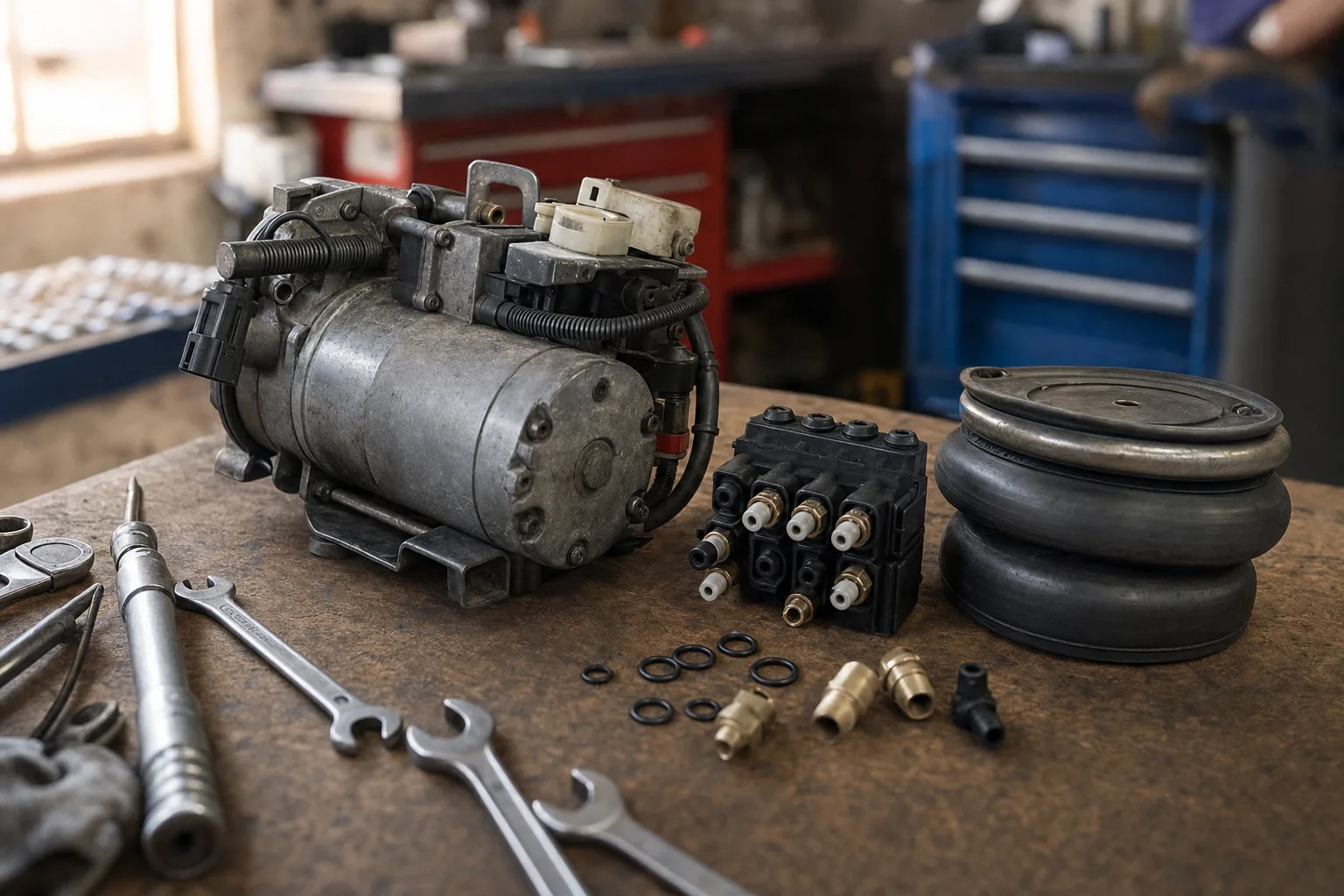
Range Rover P38 EAS Suspension Parts
Reconditioned EAS compressors, valve blocks, air springs and height sensors for the P38 — the parts that fix the “sitting low” fault. Tell us your VIN and we'll match the exact unit.
Get a Quote2. BeCM and immobiliser lockout
This is the fault that catches people out, and it's peculiar to the P38. The Body electronic Control Module (BeCM) governs almost everything electrical — central locking, the immobiliser, alarm, windows and more. Its weak point is a hunger for a healthy battery.
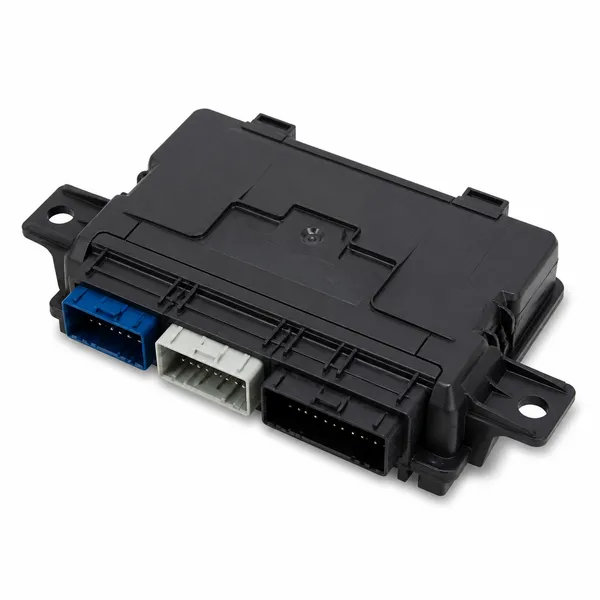
Let the battery go flat, or fit a cheap one, and the BeCM can throw a wobbly: the alarm sounds, the key fob stops talking to the car, and in the worst case the immobiliser locks you out entirely with the vehicle refusing to crank. Many an otherwise sound P38 has been dumped simply because the owner couldn't get past a “dead” BeCM.
The good news is that it's almost always recoverable with the right tools rather than a new module. A P38-literate workshop with a Nanocom or EAS-Unlock will read the codes, resync the fob and, where the BeCM has genuinely corroded or failed, fit a reconditioned unit.
It sits squarely among our electronic module and electrical parts. The single best prevention is a good battery and a trickle charger if the car stands — nine out of ten “dead” P38s start with a flat battery.
3. Slipped cylinder liners and head-gasket trouble (V8)
The P38's Rover V8 — in 4.0 and 4.6 form, GEMS early on and Bosch “Thor” from 1999 — is a charming, torquey old lump, but it has a well-known Achilles heel. The cylinder liners are pressed into the aluminium block, and on engines that have overheated (often thanks to the plastic cooling parts below), a liner can slip or drop.
That shows up as coolant loss with no obvious external leak, mayonnaise under the oil cap, white smoke, or persistent overheating. Head-gasket failure produces similar symptoms and often travels with it.
The honest advice: don't panic at every whiff of coolant, but do a proper diagnosis — a compression and leak-down test, plus a sniff test on the coolant for combustion gases.
A blown gasket is a gasket job; a genuinely slipped liner usually means a reconditioned engine or a good used unit, which is where buying smart really pays. Browse our Range Rover V8 engine parts or send us your findings and we'll tell you honestly whether you're looking at a gasket set or a bottom-end swap.
4. HEVAC blend motor and climate faults
The P38's air-conditioning and heating is run by the HEVAC system, and its most common gremlin is a failed blend motor (the little servo that moves the flaps to mix hot and cold air).
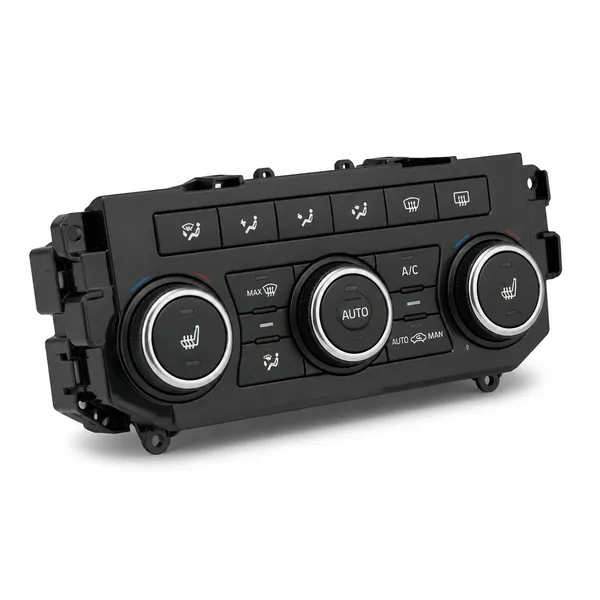
When one packs up you get air stuck too hot or too cold on one side, a clicking or grinding noise behind the dash, or the temperature simply not responding to the controls. The HEVAC head itself can also develop dim or dead display segments and unresponsive buttons with age.
None of this is terminal or especially expensive — blend motors are a modest part and a fiddly-but-doable fitment, and a reconditioned HEVAC unit sorts a tired control head. It's worth fixing properly because a stuck-hot system in a Highveld summer makes the car miserable to live with.
If you're weighing the P38 against its successor, many of these climate niggles carried over in evolved form to the later L322 Range Rover, so it's a family trait rather than a one-off.
5. Cooling system: plastic parts, thermostat housing and coolant leaks
Many of the P38's worst engine failures start life as a cheap cooling fault. The V8's coolant system uses several plastic parts — the thermostat housing, the coolant “Y” and hose connections, and the header tank — and after two decades of heat cycling they go brittle and crack.
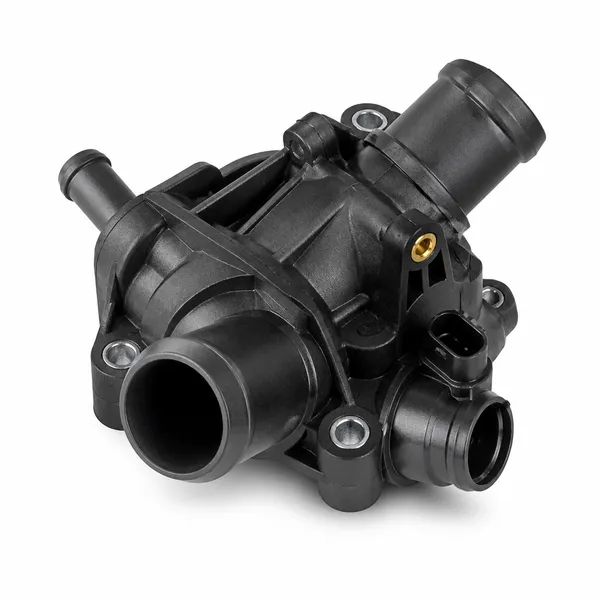
A slow coolant leak that's ignored leads to the overheating that slips a liner, so this is the cheap fault that prevents the expensive one. Symptoms are a dropping coolant level, damp patches under the front of the engine, and the temperature needle creeping up in traffic.
The fix is preventative and sensible: replace the plastic thermostat housing, the brittle hoses and the header tank as a batch while you're in there, rather than chasing one drip at a time. On a heavy V8 that runs hot in SA traffic, cooling-system health is not optional. This same “do it once, do it properly” logic runs right back to the earlier Range Rover Classic, whose cooling and electrical age-gremlins the P38 inherited and modernised.
6. Diesel woes, ABS and the usual age-related niggles
The BMW-sourced 2.5 six-cylinder turbodiesel was the sensible engine for economy, but it has its own list: a fragile cylinder head prone to cracking if overheated, tired injection pumps, and EGR clogging that makes for a lumpy tickover.
Across all P38s you'll also meet the age-related electrical gremlins — the ABS/traction “three amigos” warning lights from a failing sensor or wheel-speed ring, sagging door seals, and window regulators that give up. None are unique to the P38, but they add up on a neglected car.
The trick is to price these in before you buy rather than discover them after. A pre-purchase scan for stored fault codes across EAS, engine, ABS and the BeCM tells you more than any test drive. Good used and reconditioned parts for the Land Rover Range Rover range make sorting a batch of these niggles genuinely affordable, and a P38 with them all addressed is a lovely, characterful thing to own.
How much do Range Rover P38 repairs cost in SA?
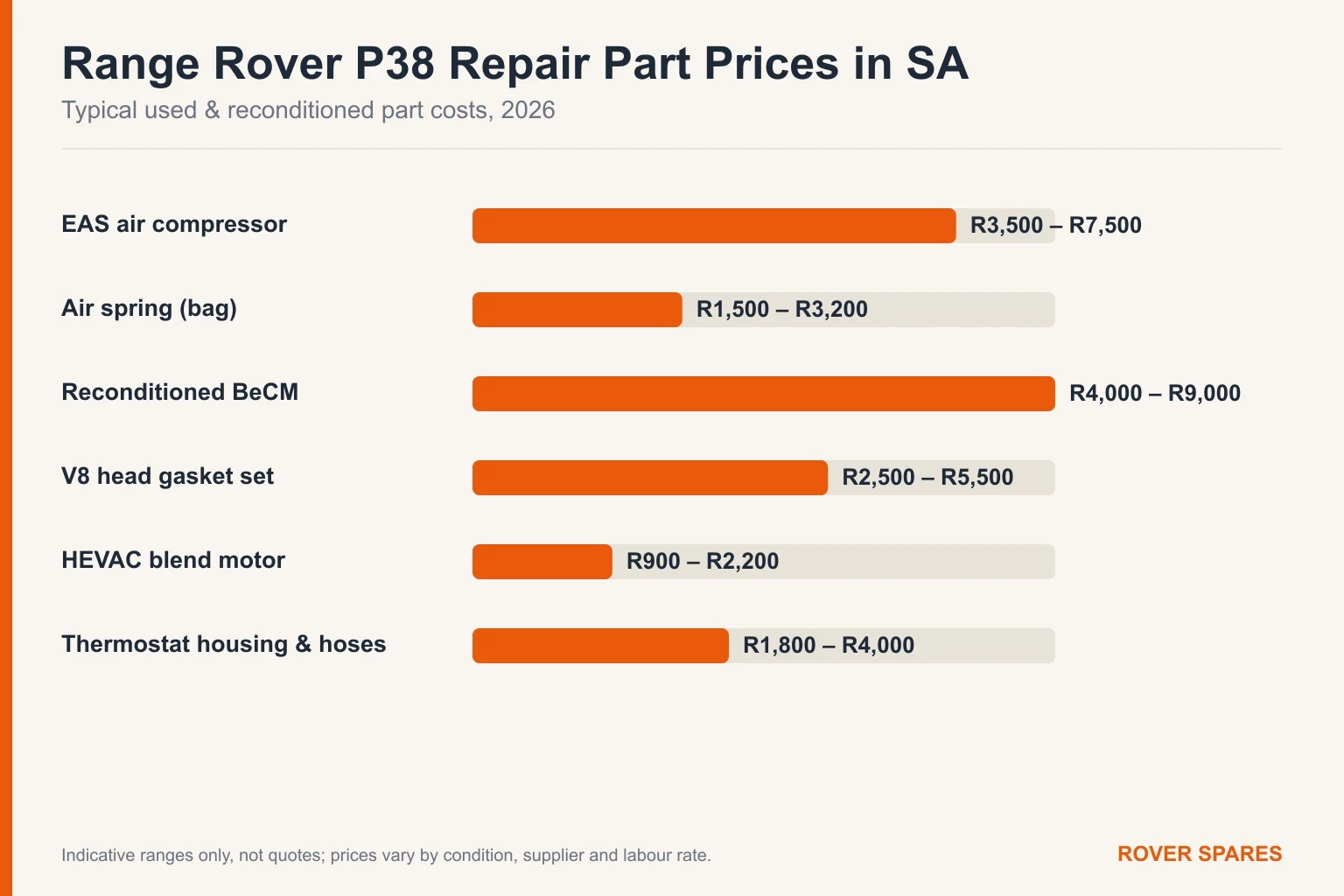
Here's a realistic guide to what these repairs run using quality used or reconditioned parts at an independent workshop — not dealer pricing. Actual figures depend on your exact model, engine, condition and labour rates; these are indicative ranges only, not quotes.
| Repair | Typical part price (used / recon) | Notes |
|---|---|---|
| EAS air compressor | R3,500 – R7,500 | Valve block often needs O-rings too |
| Air spring (bag) | R1,500 – R3,200 | Per corner |
| Reconditioned BeCM | R4,000 – R9,000 | Often resyncable without replacing |
| V8 head gasket set | R2,500 – R5,500 | Liner slip means recon engine |
| HEVAC blend motor | R900 – R2,200 | Each; fiddly fitment |
| Thermostat housing & hoses | R1,800 – R4,000 | Do as a batch |
Range Rover P38 V8 Engine & Cooling Parts
Reconditioned V8 short blocks, head-gasket sets, thermostat housings and header tanks for the 4.0 and 4.6 P38. Send us your symptoms and we'll help you diagnose gasket versus liner before you spend.
Get a QuoteBefore you buy parts
Treat every P38 electrical fault as a battery fault until proven otherwise. Dead BeCM, alarm sounding, no crank, key not recognised: the pattern is nearly always low voltage upsetting the body control module rather than the module itself having failed. Charge or replace the battery, check the earth straps, then resync, all before anyone starts talking about reprogramming or a replacement unit. The same discipline applies to the air suspension. A P38 sitting low overnight is far more often a leaking bag or valve block than a dead compressor, and the compressor gets blamed simply because it is the part you can hear.
Need Range Rover P38 parts? Get a quote.
We supply used and reconditioned Land Rover Range Rover P38 parts across South Africa — EAS air suspension, V8 engine parts, BeCM and electrics, HEVAC and cooling — with nationwide delivery. Send us your VIN and the part you need.
Frequently asked questions
Is the Range Rover P38 reliable?
The P38 has a fearsome reputation, but it's more nuanced than the horror stories suggest. Its faults — EAS air suspension, the BeCM and immobiliser, V8 liner and gasket trouble, HEVAC blend motors and the cooling system — are all well documented and fixable.
A P38 with a healthy battery, sorted suspension and a good service history is a genuinely enjoyable classic 4x4. A neglected one will nickel-and-dime you. Buy on condition and history, not just price, and budget for a round of catch-up repairs in the first year.
What is the most common Range Rover P38 problem?
Two vie for the top spot: the EAS air suspension and the BeCM electrics. The suspension — a compressor, air springs and valve block that are all decades old — produces the classic “sitting low” fault. The BeCM, upset by a weak battery, is the one that famously locks owners out of the car. Both are affordable to sort with the right parts and a P38-literate workshop, so neither should scare you off outright.
Should I convert the P38 air suspension to coil springs?
You can, and some owners do for peace of mind, but weigh it up. Coil conversion removes the P38's adjustable ride height — the very thing that makes it capable off-road and easy to load. For most owners, repairing the EAS with good reconditioned parts keeps the car as Land Rover intended. We're happy to talk you through both options honestly before you spend a cent.
Which P38 engine is best, the V8 or the diesel?
The 4.0 or 4.6 Rover V8 petrol is smooth and characterful but thirsty, and it carries the liner and cooling risks above. The BMW-sourced 2.5 six-cylinder turbodiesel is far kinder on fuel but has a fragile head if overheated. For SA running costs the diesel makes sense if it's been looked after; for character and simplicity many prefer the V8. Whichever you pick, check the cooling system and get a full fault-code scan first.
Are Range Rover P38 parts expensive in South Africa?
New dealer parts are pricey and some are hard to find, yes — but that's not your only route. Quality used and reconditioned parts cut the cost dramatically: an EAS compressor for roughly R3,500–R7,500 instead of a new-kit price, a reconditioned BeCM rather than a fortune from the dealer. Buying from a specialist that tests its stock is the key to running a P38 affordably.
Why won't my P38 start or unlock?
Nine times out of ten it's the battery. The BeCM needs a strong, healthy battery, and a flat or failing one upsets the immobiliser and central locking, leaving the car apparently “dead”. Fit a good battery and, if the fob still won't sync, a P38-literate workshop can resync the BeCM with a Nanocom or EAS-Unlock tool. Genuine BeCM failure is far rarer than a flat battery, so start there before spending on a module.
Sources
- Honest John Classics — Land Rover Range Rover P38 (1994–2002) buying review and known faults: classics.honestjohn.co.uk
- Haynes — A spotter's guide to the Range Rover (P38A history and background): haynes.com