
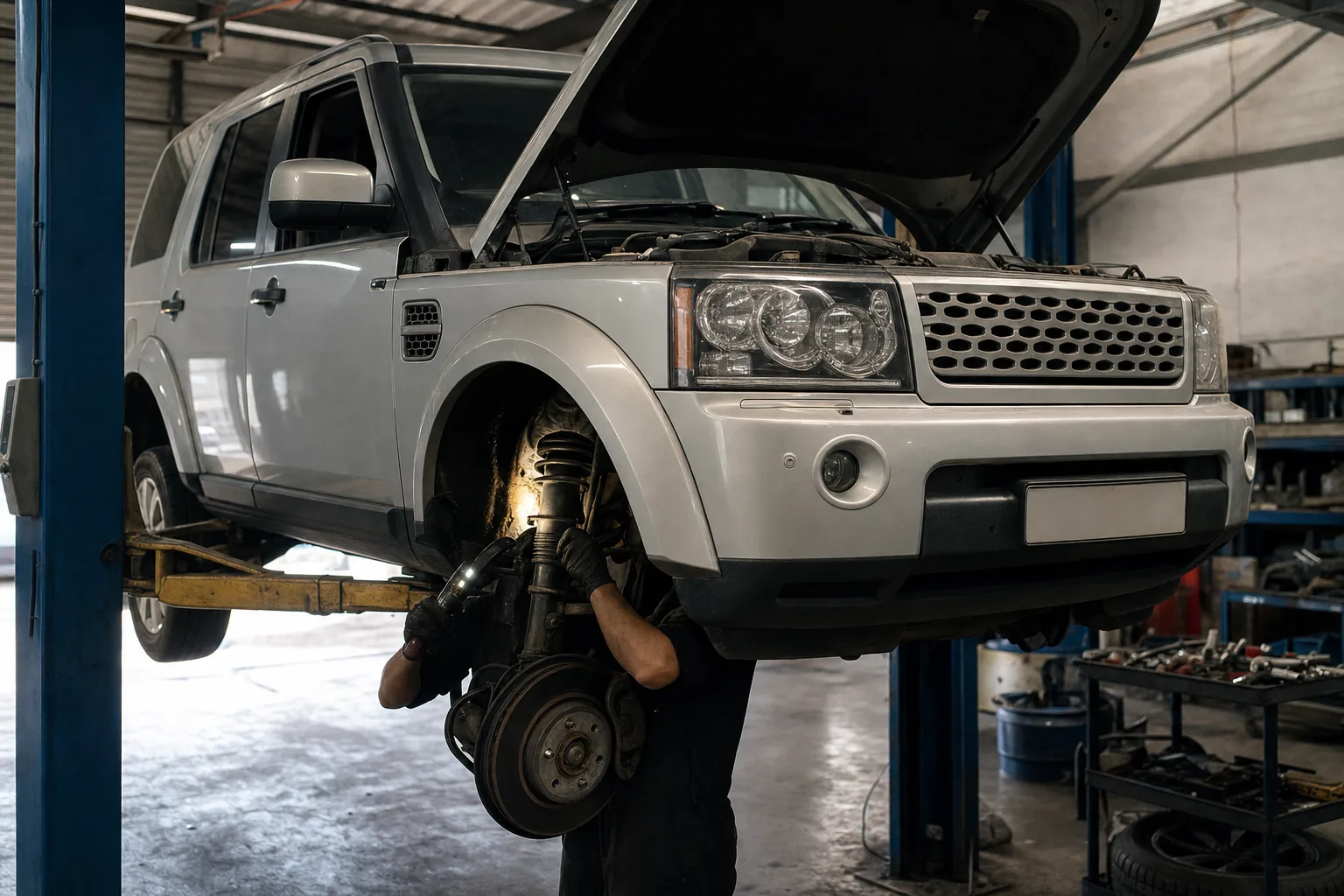

The Land Rover Discovery 4 (the LR4, built 2009–2016) is one of the best all-round used 4x4s on the South African market — more refined than the Disco 3 it replaced, and just as capable when it is looked after. But the 3.0 TDV6 and later SDV6 diesels have a handful of well-known weak spots, and getting caught out by one of them is what turns a good buy into an expensive one.
The reassuring news is that every common Discovery 4 fault is documented, and the parts are widely available used and reconditioned here in SA at a fraction of main-dealer prices. Below are the six problems that come up most often on the Disco 4, what they cost to sort, and how to tell a well-sorted example from a money pit.
- The 3.0 TDV6's most serious weak point is crankshaft bearing wear on hard-worked, poorly serviced engines — rare, but the one fault worth checking service history for above all else.
- The crankshaft pulley and the belt-driven oil pump are known service items on the TDV6 — cheap to renew early, ruinous to ignore.
- Like the Disco 3, the Discovery 4 relies on air suspension, and the compressor and air springs are wear parts, not lifetime ones.
- Most repairs are far cheaper with quality used or reconditioned parts: an air compressor runs about R4,500–R9,500 fitted versus R15,000+ at a dealer.
- A pre-purchase diagnostic scan for stored codes (EAS, engine, DPF, parking brake) tells you more than any test drive — and none of these faults is a reason to avoid the Disco 4.
1. 3.0 TDV6 crankshaft and bearing failure
This is the fault that gives the Discovery 4 its scary reputation, and it deserves honest treatment. The 3.0 TDV6 can suffer crankshaft main-bearing wear, and in the worst cases the crank itself fails — usually on engines that have been worked hard (heavy towing, sustained high revs) without strict oil-change discipline.
Land Rover acknowledged increased bearing wear under high-load conditions in a technical service bulletin, and the root cause is understood to be marginal oil supply to the rear main bearings. The warning signs are a rhythmic knock from low in the block, a drop in oil pressure, or metal glitter in the oil filter.
The point to grasp is that this is not a lottery every Disco 4 loses — it is strongly linked to abuse and skipped services. Buy one with a documented history and insist on frequent oil changes with the correct grade, and the risk drops sharply.
When an engine has genuinely let go, a reconditioned or low-mileage used unit is the sensible route, and we can source complete TDV6 engines and Land Rover Discovery driveline parts to suit. Always get a compression and oil-pressure check before buying an unknown car.
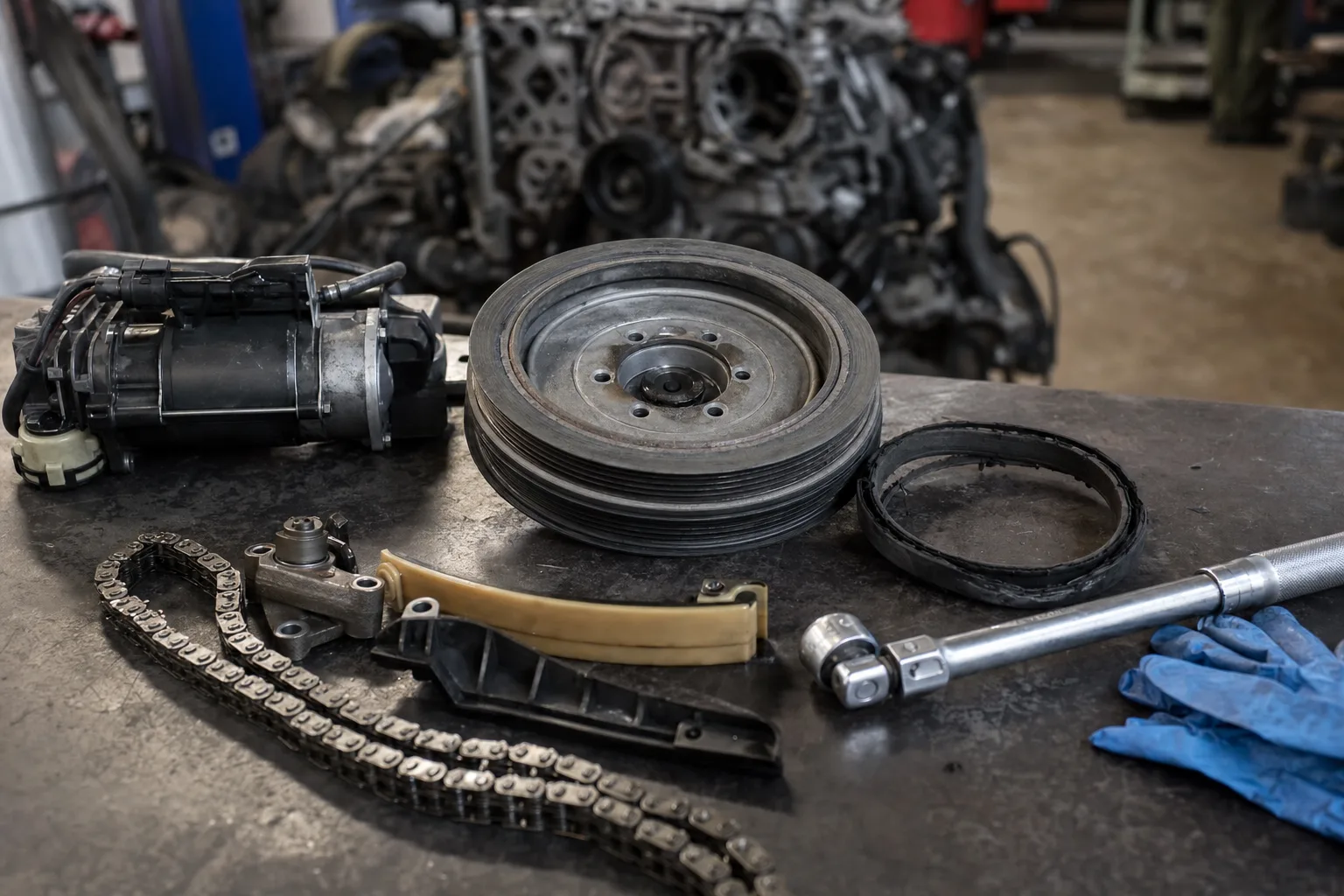
Discovery 4 TDV6 Engine Parts
Reconditioned crankshaft pulleys, oil pumps, timing kits and complete low-mileage TDV6 engines for the LR4 — the parts that keep a Disco 4 alive. Tell us your VIN and we'll match the exact unit.
Get a Quote2. Crankshaft pulley and belt-driven oil pump
Feeding directly into the crank story above is the crankshaft pulley (harmonic balancer) and, on the 3.0 TDV6, the belt that drives the oil pump. The pulley uses a rubber isolating layer that perishes with age and heat; when it starts to separate you'll hear a rattle from the front of the engine and the outer ring can wobble.
The oil-pump drive belt itself is a genuine service item with a replacement interval — and because it lives partly in oil, it degrades over time whether you drive the car hard or not. Neglect it and you risk losing oil pressure, which loops straight back to bearing damage.
The fix is cheap insurance. Renew the crank pulley the moment it shows play, and change the oil-pump belt and tensioner at the recommended interval rather than gambling on the old one.
If you're buying a Disco 4 with patchy history, budget to do the pulley, belt and water pump as a package — it is the sensible reset. We cover the same engine family in more detail alongside the 3.0 TDV6's known weak spots, which is worth a read before you commit.
3. Air suspension failure (the "sitting low" fault)
Carried over and refined from the Disco 3, the Discovery 4's air suspension is superb when healthy and a headache when neglected. The car rides on four air springs fed by an electric compressor, and both wear out. Tell-tale signs are the vehicle sitting low on one corner or nose-down after standing overnight, a "suspension fault" message, or the compressor running for ages without lifting the car to height.
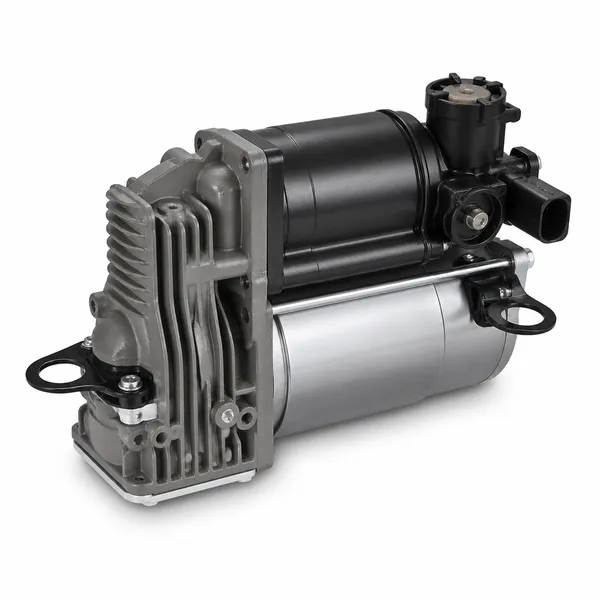
Causes range from a perished air spring leaking air, to a tired compressor that can't hold pressure, to the compressor's drier packing up, to a height sensor feeding the module bad data.
The key thing is that this is a maintenance item, not a design disaster — the system is repairable corner by corner. A single air spring is inexpensive; the compressor is the bigger ticket, and a chronically overheating compressor usually means it has been masking a slow leak.
Fitting quality reconditioned air suspension parts keeps the ride exactly as Land Rover intended without dealer pricing. On a test drive, always confirm the car raises and holds height before you hand over money.
4. EGR and DPF (diesel particulate filter) clogging
Like every modern diesel, the TDV6 recirculates exhaust gas through the EGR system and traps soot in a diesel particulate filter. Over years of short, stop-start city driving the EGR valve and inlet gum up with oily carbon, while the DPF struggles to complete its regeneration cycle because the exhaust never gets hot enough for long enough.
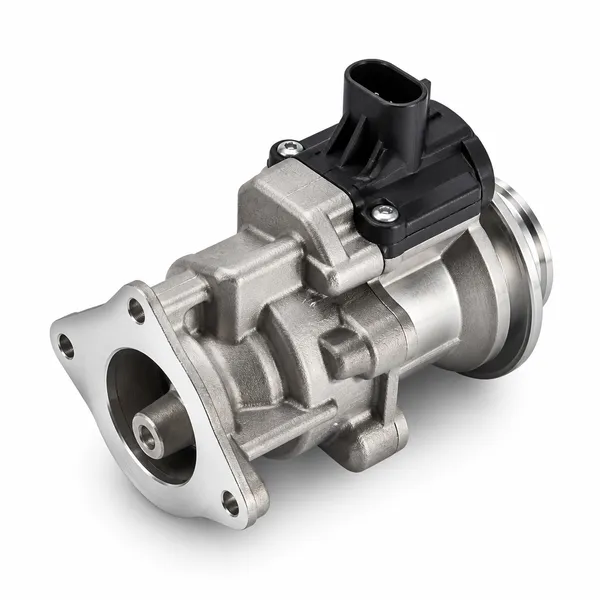
The symptoms are rough running, hesitation, black smoke, poor economy, repeated regeneration warnings and eventually limp mode. It is one of the most common reasons a Disco 4 lands on our ramp.
Often a proper clean and a new EGR valve sorts the intake side, while a blocked DPF can sometimes be forced through a successful regeneration before it needs replacing. What matters is not ignoring it, because a choked DPF raises back-pressure and can hurt the turbo.
A regular motorway run genuinely helps keep both healthier. Browse our TDV6 engine parts or send us the fault codes and we'll tell you honestly whether you need a valve, a clean, or a full DPF.
5. Turbo actuator and turbocharger problems
The TDV6's variable-geometry turbos (the SDV6 runs a twin-turbo setup) depend on electronic actuators to move the vanes. Over time an actuator sticks or the vane mechanism gums up with soot, and the result is limp mode, a loss of power, or a whistling or fluttering noise under load.
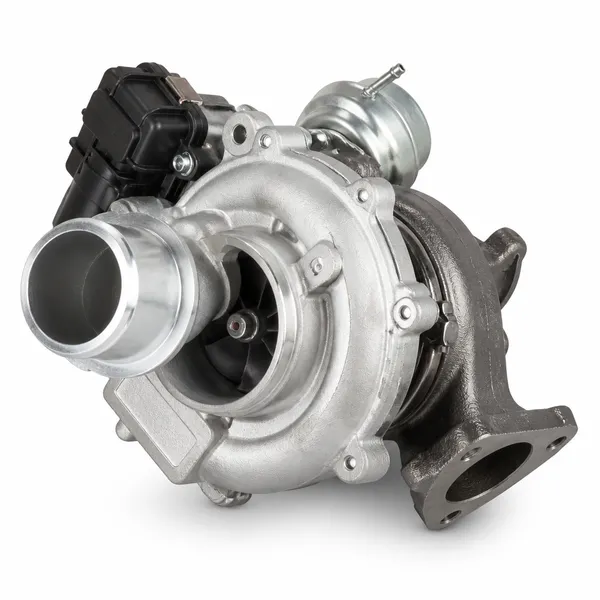
Sometimes it is just a sticking actuator that can be freed or replaced; sometimes a turbo is genuinely worn and needs reconditioning. A diagnostic scan usually points straight at it with boost-pressure or actuator fault codes.
Don't assume every power loss means new turbos — on the Disco 4 it is often the cheaper actuator, a clogged DPF, a blocked EGR or a split intercooler hose first. A proper diagnosis before you buy parts saves thousands.
When a turbo genuinely is tired, a reconditioned unit fitted by a competent workshop restores full performance for far less than new. The same driveline and turbo issues carry back to the earlier Discovery 3, so the buying advice overlaps closely.
6. Electronic parking brake faults
The Discovery 4 uses an electronic parking brake (EPB) with a motor-and-cable actuator module under the vehicle. Water, mud, age and worn rear shoes all take their toll: the module's plastic housing hairline-cracks, water gets in and corrodes the cables, and the internal gearset wears — giving you a "park brake fault" warning, a brake that won't release, or an alarming grinding when it engages.
Worth knowing too: a weak battery alone can throw an EPB warning alongside suspension and transmission messages, so always rule out voltage first.
The repair is usually a replacement parking-brake actuator module and, where needed, new cables and rear shoes — do them together, because fitting a new actuator to worn shoes just reproduces the fault.
It is an electrical-plus-mechanical job rather than a bank-breaker, and a reconditioned module is a sensible buy. You'll find these among our electronic module and electrical parts. A pre-purchase scan will flag a stored parking-brake code even when the warning light isn't showing on the day you view the car.
How much do Discovery 4 repairs cost in SA?
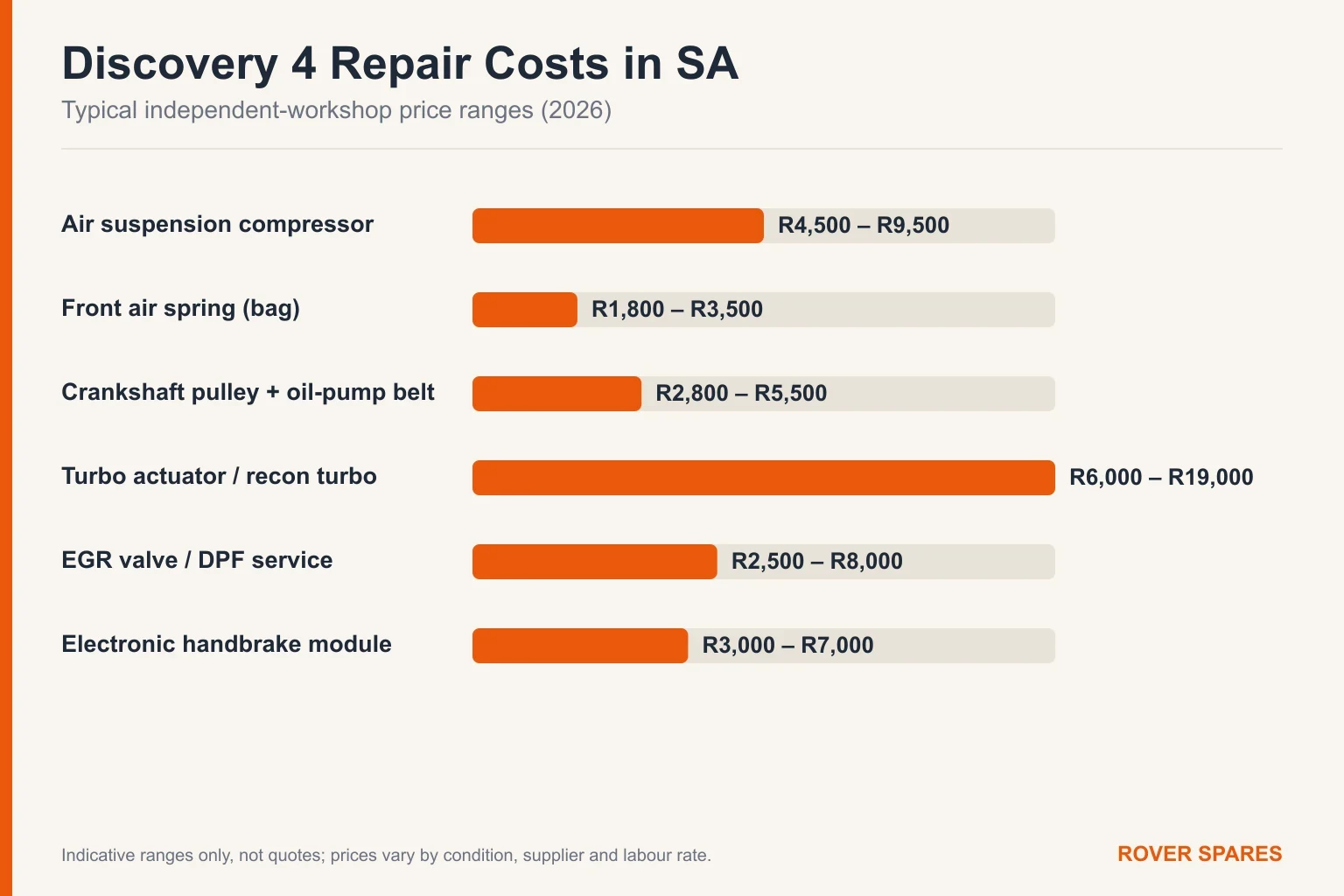
Here's a realistic guide to what these repairs run using quality used or reconditioned parts at an independent workshop — not dealer pricing. Actual figures depend on your exact model, condition and labour rates; these are indicative ranges only, not quotes.
| Repair | Typical part price (used / recon) | Notes |
|---|---|---|
| Air suspension compressor | R4,500 – R9,500 | Vs R15,000+ new at dealer |
| Front air spring (bag) | R1,800 – R3,500 | Per corner |
| Crankshaft pulley + oil-pump belt | R2,800 – R5,500 | Do with water pump |
| Turbo actuator / recon turbo | R6,000 – R19,000 | Actuator often enough |
| EGR valve / DPF service | R2,500 – R8,000 | Clean before replace |
| Electronic handbrake module | R3,000 – R7,000 | Plus cables + shoes if worn |
Before you buy parts
When a Discovery 4 lights the dash up with three or four unrelated warnings at once, be very careful of the quote that treats them as three or four jobs. The suspension, park brake and transmission modules on these are unforgiving about voltage, and a battery on its way out will throw codes that look nothing like a battery. Load test it and check the earth points before anything else, then clear the faults and re-scan. Once the electrics are stable, the list of genuine repairs is very often one item long.
Need Discovery 4 parts? Get a quote.
We supply used and reconditioned Land Rover Discovery 4 parts across South Africa — including Disco 4 owners in Johannesburg — with 3.0 TDV6 engine parts, air suspension, turbos and electronics and nationwide delivery. Send us your VIN and the part you need.
Frequently asked questions
Is the Land Rover Discovery 4 reliable?
The Discovery 4 has a mixed reputation, but the reality is more encouraging than the horror stories. Its faults — the TDV6 crank and pulley, air suspension, EGR and DPF clogging, turbo actuators and the electronic handbrake — are all well documented and repairable.
A Disco 4 with a full service history and those known items sorted is a genuinely dependable 4x4. A neglected one, especially a hard-towed engine with skipped oil changes, will cost you. Buy on condition and history, not just price, and budget for a couple of catch-up repairs in the first year.
What is the most common Discovery 4 problem?
For most owners it is the air suspension, exactly as on the Disco 3 — the compressor and air springs are wear items, so a "vehicle sitting low" or "suspension fault" message is the everyday complaint. The rarer but more serious worry is 3.0 TDV6 crankshaft bearing wear, which is why service history matters so much. The suspension is cheap to fix with reconditioned parts; the engine is the one to check carefully before you buy.
Does the Discovery 4 3.0 TDV6 have a timing belt or chain?
The 3.0 TDV6 uses timing chains at the rear of the engine plus a separate belt that drives the oil pump. That oil-pump belt is a genuine service item with a replacement interval, and because it partly runs in oil it degrades with age regardless of mileage. If you're buying a Disco 4, ask for proof the belt and tensioner have been done — a snapped oil-pump belt starves the engine of oil and leads straight to bearing damage.
Are Discovery 4 parts expensive in South Africa?
New dealer parts are expensive, yes — but that's not your only option. Quality used and reconditioned parts cut the cost dramatically: an air compressor for around R4,500–R9,500 instead of R15,000+, an EGR valve or DPF service for a few thousand rand rather than dealer money. Buying from a specialist that tests its stock is the key to keeping a Disco 4 affordable to run.
Is the Discovery 4 crank failure as bad as people say?
It is real but overstated as a universal problem. Crankshaft bearing failure is strongly linked to abuse — heavy towing and high revs without disciplined oil changes — rather than being a fault every engine develops. Buy a Disco 4 with a documented service history, get an oil-pressure and compression check first, and keep to short oil-change intervals with the correct grade, and the risk drops a long way.
How many kilometres can a Discovery 4 do?
A well-maintained 3.0 TDV6 will comfortably pass 300,000 km, and plenty do more on strict servicing. The engine is capable; what ends most Disco 4s is deferred maintenance on the ancillaries — suspension, cooling, turbo and the oil-pump belt — not inherent frailty. Keep on top of the known items with quality parts and it will keep going.
Sources
- Haynes — Land Rover Discovery 4 (2009–2016) common problems: uk.haynes.com
- Honest John — Land Rover Discovery 4 owner-reported good & bad points: honestjohn.co.uk