
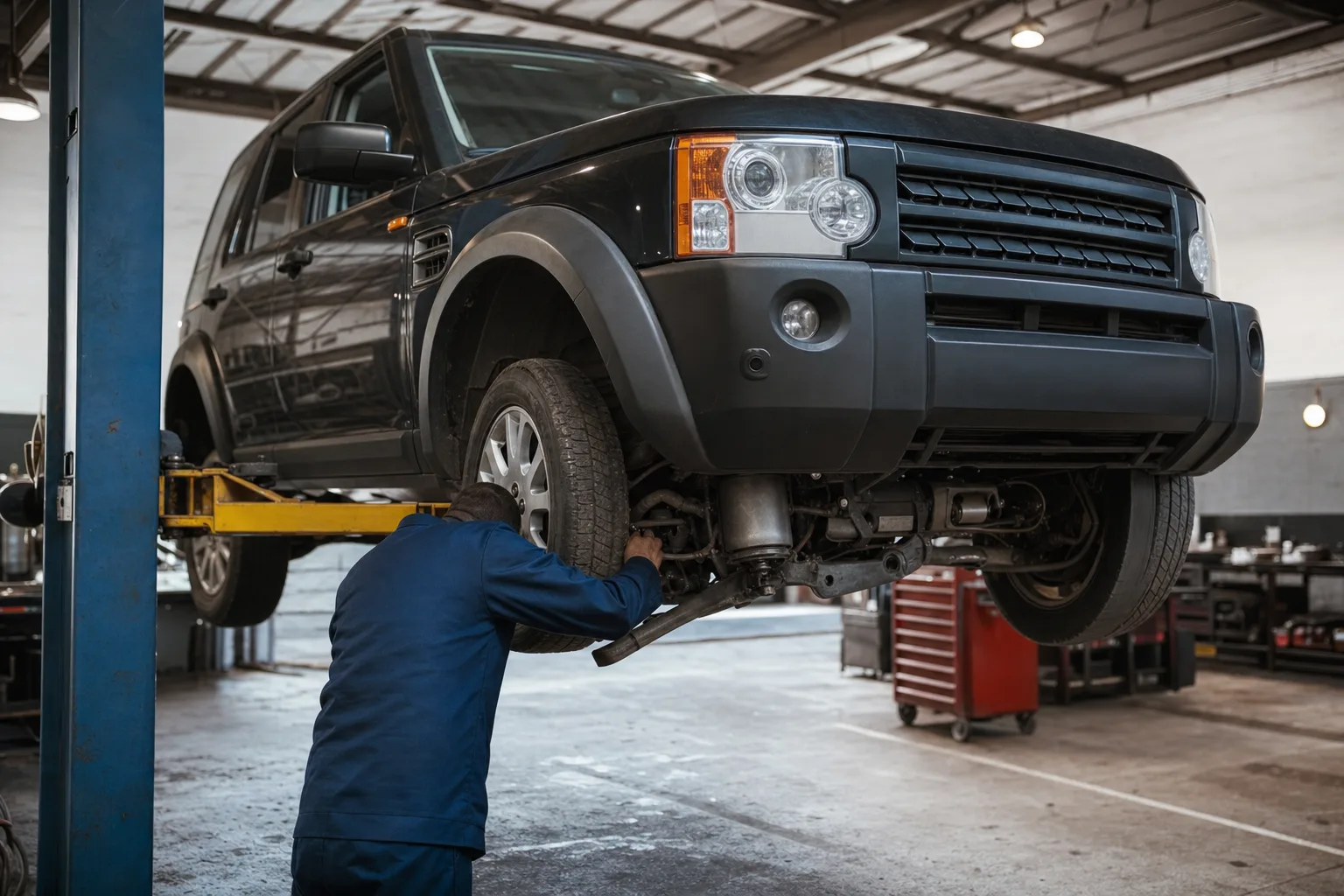

The Land Rover Discovery 3 (the LR3, built 2004–2009) is one of the most capable used 4x4s you can buy in South Africa for the money — and one of the most misunderstood. Buy a well-sorted one and it will tow, cross a river and swallow the whole family in comfort. Buy a neglected one and it can drain your wallet fast.
The good news: almost every common Discovery 3 fault is well known, and used Land Rover spares are widely available reconditioned here in SA, usually at a fraction of main-dealer prices. Below are the six problems that come up most often on the Disco 3, what they cost to sort, and how to tell a bargain from a money pit.
- The Discovery 3's biggest weak spot is its air suspension — the compressor and air springs are wear items, not lifetime parts, and a "vehicle sitting low" fault is the classic symptom.
- On the 2.7 TDV6 diesel, watch the crankshaft pulley (harmonic balancer) and turbo actuator — both are known failures that are cheap to catch early and expensive to ignore.
- Most repairs are far cheaper with quality used or reconditioned parts: an air compressor runs about R4,500–R9,000 fitted versus R15,000+ at a dealer.
- A pre-purchase scan for stored fault codes (EAS, engine, ABS, parking brake) tells you more than any test drive.
- None of these faults are reasons to avoid the Disco 3 — they're reasons to budget properly and buy the parts smart.
1. Air suspension failure (the "sitting low" fault)
If a Discovery 3 owner has a horror story, it's almost always about the air suspension. The Disco 3 rides on four air springs fed by an electric compressor, and both wear out. The tell-tale signs are the car sitting low on one corner (or nose-down) after standing overnight, a flashing "suspension fault" message, or the compressor running for ages and never getting the car up to height.
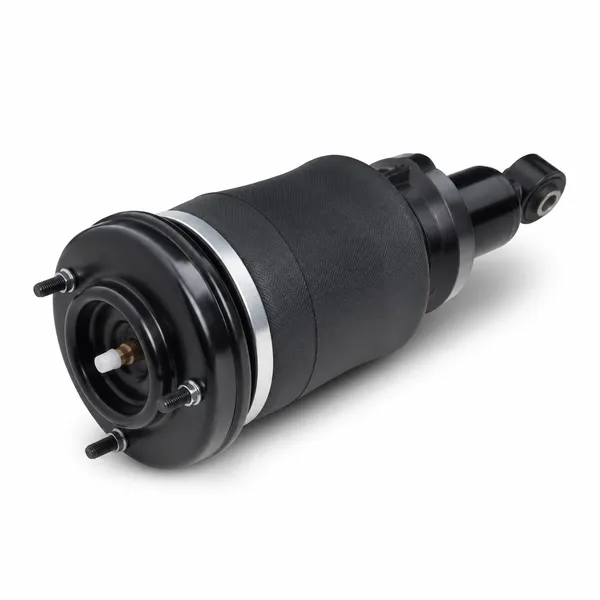
Causes range from a perished air spring leaking air, to a tired compressor that can no longer hold pressure, to a failed height sensor feeding the module bad data.
The important thing to understand is that this is a maintenance item, not a design disaster — the system is repairable corner by corner. A single air spring is inexpensive; a compressor is the bigger ticket.
Fitting quality reconditioned air suspension parts keeps the ride exactly as Land Rover intended without dealer pricing. Don't be tempted by cheap "coil conversion" kits unless you understand the trade-offs — you lose the off-road height adjustment that makes the Disco 3 special.
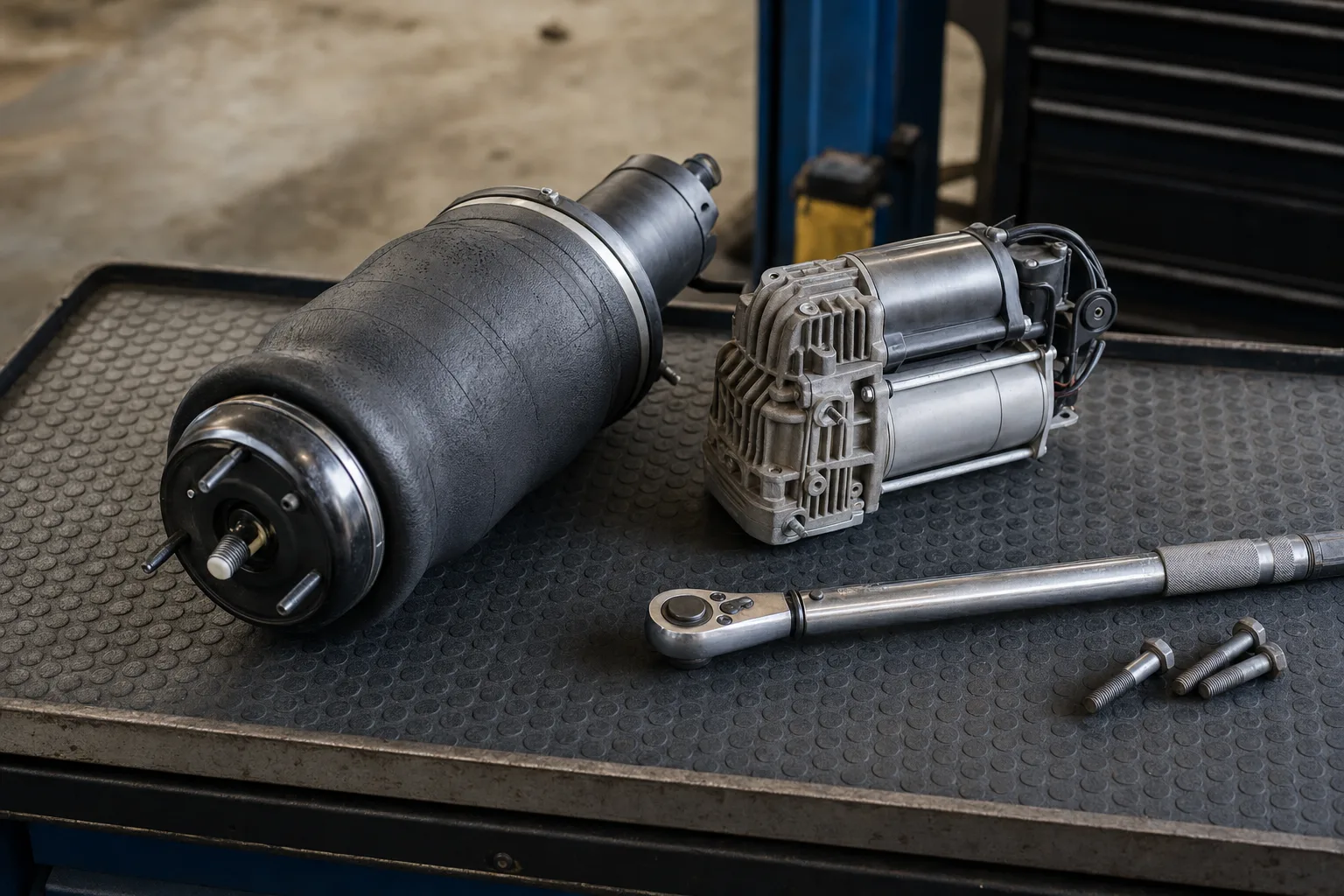
Discovery 3 Air Suspension Parts
Reconditioned compressors, new air springs and height sensors for the LR3 — the parts that fix the "sitting low" fault. Tell us your VIN and we'll match the exact unit.
Get a Quote2. Crankshaft pulley (harmonic balancer) failure on the 2.7 TDV6
This is the one that catches people out. The 2.7-litre TDV6 diesel uses a crankshaft pulley (harmonic balancer) with a rubber isolating layer that perishes with age and heat. When it starts to separate, you'll hear a rattle or knock from the front of the engine, and in the worst case the outer ring can wobble or throw the accessory belt.
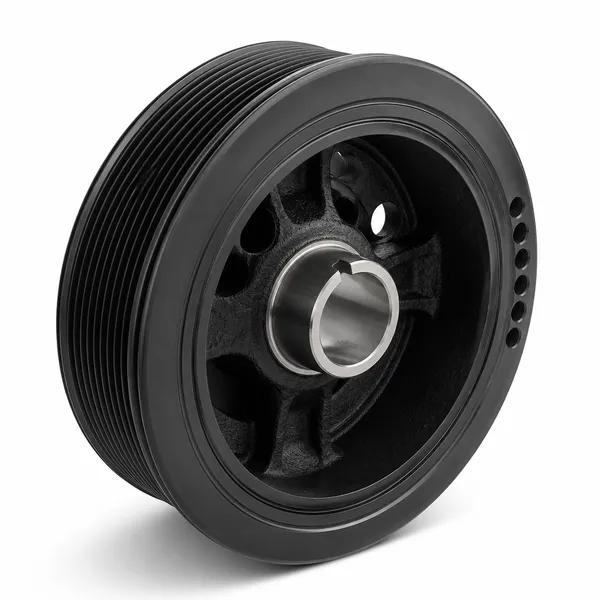
Because the belt also drives the water pump and, on this engine, is tied to the timing at the rear, a failure that snaps the belt can turn into a very expensive day.
The fix is cheap insurance: replace the pulley the moment it shows play. It's a known service item on high-mileage TDV6s, and we cover it in more detail alongside the 2.7 TDV6's known weak spots. If you're buying a Disco 3 with no service history, budget to do the crank pulley, belt and water pump together as a package — it's the sensible reset.
3. Turbo actuator and turbo problems
The TDV6's variable-geometry turbo relies on an electronic actuator to move the vanes. Over time the actuator sticks or the vane mechanism gums up with soot, and the result is limp mode, a loss of power, or a whistling/fluttering noise under load. Sometimes it's just a sticking actuator that can be freed or replaced; sometimes the turbo itself is worn and needs reconditioning. A diagnostic scan usually points straight at it with boost-pressure or actuator fault codes.
Don't assume every power loss means a new turbo — on the Disco 3 it's often the cheaper actuator, a blocked EGR, or a split intercooler hose first.
A proper diagnosis before you buy parts saves thousands. When a turbo genuinely is tired, a reconditioned unit fitted by a competent workshop restores full performance for a lot less than a new one. Browse our TDV6 engine parts or send us the fault codes and we'll tell you honestly what you actually need.
4. EGR valves and inlet manifold clogging
Like most modern diesels, the TDV6 breathes exhaust gas back through the EGR valves, and over years of stop-start driving the valves and inlet manifold clog with an oily carbon sludge. Symptoms are rough idle, hesitation, poor economy and an engine warning light. On the twin-turbo 3.0 TDV6 (fitted to the later Discovery 4) this is even more common, but the 2.7 in the Disco 3 suffers too.
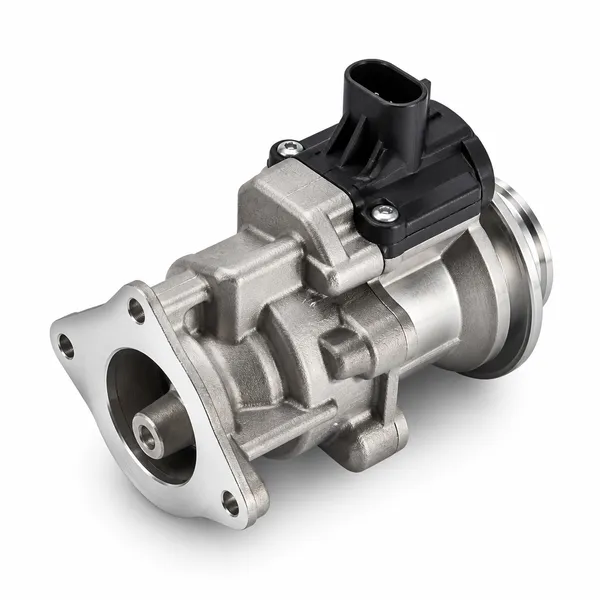
Often a good clean and a new set of EGR valves sorts it — you don't always need the whole manifold. What matters is not ignoring it, because a badly clogged inlet chokes the engine and can hide a more serious breathing fault.
If you're comparing the Disco 3 with its successor, the same principles apply to the later Discovery 4, which shares much of the driveline. Regular Italian tune-ups (a proper motorway run) genuinely help keep these valves healthier for longer.
5. Electronic parking brake faults
The Discovery 3 uses an electronic parking brake with a motor and cable module under the vehicle. Water, mud and age take their toll, and the module or its cables corrode — giving you a "park brake fault" warning, a brake that won't release, or an alarming grinding noise when it engages. It's a very common gripe on cars that have done real off-road or coastal duty.
The repair is usually a replacement parking-brake actuator module and, sometimes, new cables. It's an electrical-plus-mechanical job rather than a bank-breaker, and a reconditioned module is a sensible buy. You'll find these among our electronic module and electrical parts. As with the suspension, a pre-purchase scan will flag a stored parking-brake code even if the warning light isn't showing on the day you view the car.
6. Coolant leaks, oil coolers and the usual age-related niggles
Rounding out the list are the age-related leaks every 15-year-old 4x4 develops: plastic coolant pipes and the thermostat housing going brittle, the engine oil cooler seeping, radiator and intercooler hoses hardening, and the odd electrical gremlin. None are unique to the Disco 3, but on a heavy diesel that runs hot when towing, cooling-system health matters a lot — overheating a TDV6 is not something you want to do twice.
The fix is preventative: replace tired coolant pipes, hoses and the thermostat housing as a batch when you've got the front apart for other work, rather than chasing one leak at a time. Good used and reconditioned parts for the Land Rover Discovery range make this affordable, and doing it properly once is far cheaper than a warped head later.
How much do Discovery 3 repairs cost in SA?
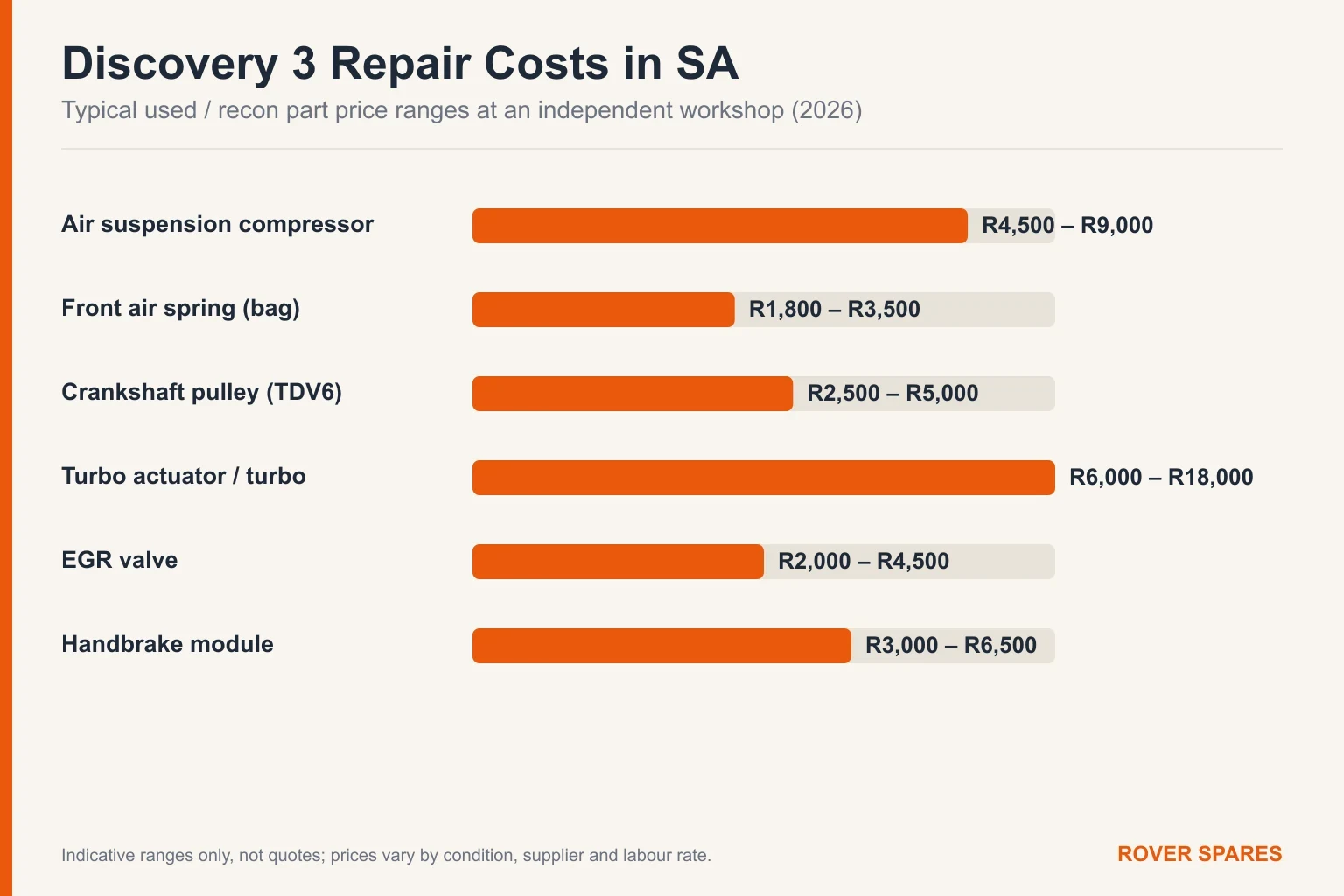
Here's a realistic guide to what these repairs run using quality used or reconditioned parts at an independent workshop — not dealer pricing. Actual figures depend on your exact model, condition and labour rates; these are indicative ranges only, not quotes.
| Repair | Typical part price (used / recon) | Notes |
|---|---|---|
| Air suspension compressor | R4,500 – R9,000 | Vs R15,000+ new at dealer |
| Front air spring (bag) | R1,800 – R3,500 | Per corner |
| Crankshaft pulley (TDV6) | R2,500 – R5,000 | Do with belt + water pump |
| Turbo actuator / recon turbo | R6,000 – R18,000 | Actuator often enough |
| EGR valve | R2,000 – R4,500 | Clean can be cheaper |
| Electronic handbrake module | R3,000 – R6,500 | Plus cables if corroded |
Before you buy parts
A Discovery 3 sitting down overnight is not automatically a compressor. The compressor is usually what dies last, having run itself to death keeping up with a leak somewhere else — a perished air spring or a valve block bleeding off. Find the leak first with soapy water over the bags and fittings, because fitting a new pump while a bag is still leaking simply kills the new pump too. Replace the failed spring, then judge the compressor on how hard it has been made to work. Tested reconditioned units are the sensible route here.
Need Discovery 3 parts? Get a quote.
We supply used and reconditioned Land Rover Discovery 3 parts across South Africa — air suspension, TDV6 engine parts, turbos and electronics — with nationwide delivery. Send us your VIN and the part you need.
Frequently asked questions
Is the Land Rover Discovery 3 reliable?
The Discovery 3 has a mixed reputation, but the truth is more encouraging than the horror stories suggest. Its faults — air suspension, the TDV6 crank pulley, turbo actuators, EGR clogging and the electronic handbrake — are well documented and repairable.
A Disco 3 with a service history and those known items sorted is a genuinely dependable 4x4. One that's been neglected will nickel-and-dime you. Buy on condition and history, not just price, and budget for a couple of catch-up repairs in the first year.
What is the most common Discovery 3 problem?
Air suspension, by a distance. The compressor and air springs are wear items, so a "vehicle sitting low" or "suspension fault" message is the single most common complaint. It's also one of the more affordable faults to fix with reconditioned parts, so it shouldn't scare you off — but always check the suspension raises and holds height during a test drive.
Which engine is best, the 2.7 TDV6 or the V8?
For South African conditions the 2.7 TDV6 diesel is the sensible choice — strong torque for towing and far better economy than the thirsty 4.4 V8 petrol. The V8 is smoother but expensive to run. Whichever you choose, the TDV6's crank pulley and turbo actuator are the items to check first, and parts for the diesel are more plentiful and affordable here.
Are Discovery 3 parts expensive in South Africa?
New dealer parts are expensive, yes — but that's not your only option. Quality used and reconditioned parts cut the cost dramatically: an air compressor for around R4,500–R9,000 instead of R15,000+, an EGR valve for a couple of thousand rand rather than dealer money. Buying from a specialist that tests its stock is the key to keeping a Disco 3 affordable.
Can I convert the air suspension to coil springs?
You can, and some owners do for peace of mind, but think carefully. Coil conversion removes the Disco 3's adjustable ride height — the very thing that makes it so capable off-road and easy to load. For most owners, repairing the air system with good reconditioned parts is the better long-term call. We're happy to talk you through both options honestly before you spend.
How many kilometres can a Discovery 3 do?
A well-maintained 2.7 TDV6 will comfortably pass 300,000 km, and plenty do more. The engine itself is tough; what ends most Disco 3s is deferred maintenance on the ancillaries — suspension, cooling, turbo — not the bottom end. Keep on top of the known items with quality parts and it will keep going.
Sources
- Haynes — Land Rover Discovery common problems (2005–2017): au.haynes.com
- Honest John — Land Rover Discovery 3 owner-reported good & bad points: honestjohn.co.uk