
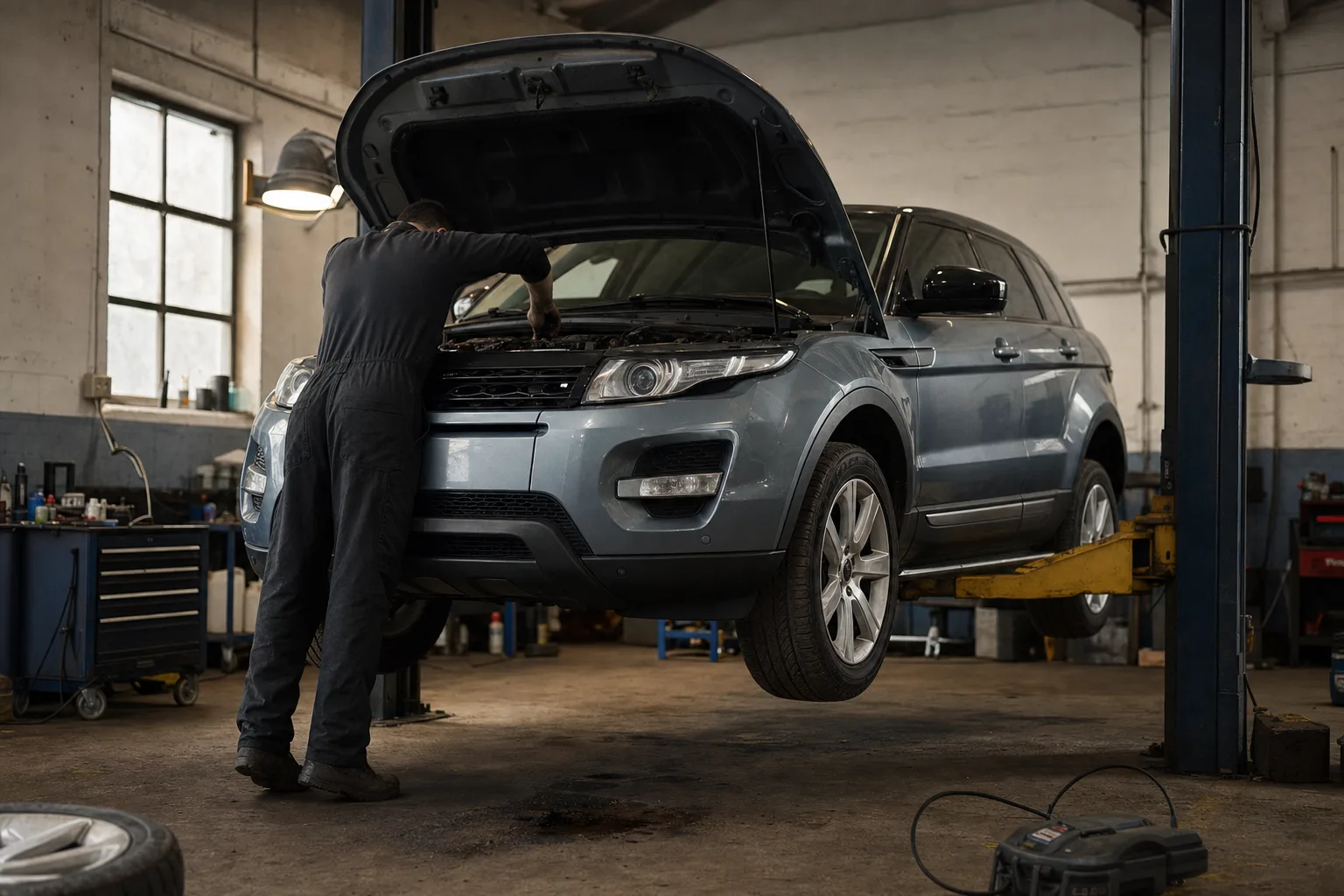

The first-generation Range Rover Evoque (the L538, built 2011–2019) is one of the best-looking compact SUVs of its generation and, right now, one of the best-value used luxury 4x4s in South Africa. It also has a reputation for costing money — and some of that is fair.
The good news is that the Evoque's weak spots are well known and predictable, and almost every one of them can be sorted with quality used or reconditioned parts at a fraction of main-dealer pricing. Get a well-kept one and it is a genuinely lovely thing to own.
Below are the seven problems that come up most on the Evoque, what they realistically cost to fix in SA, and how to tell a bargain from a headache before you buy.
- The Evoque's costliest gremlin is the ZF 9-speed automatic — early cars shift jerkily at low speed, and this is very often a software calibration and fluid issue before it is a mechanical one.
- On the 2.0 diesel, oil dilution from failed DPF regens is the root cause behind timing-chain wear, oil-pump strain and turbo trouble — short-trip cars suffer most.
- Electrical and infotainment gremlins (freezing touchscreen, random warnings) and water ingress into the boot are common on higher-mileage Mk1s.
- Reconditioned parts slash the bill: a recon turbo runs roughly R7,000–R16,000 versus dealer money, and a valve-body/software fix beats a full gearbox swap.
- None of this is a reason to avoid the Evoque — it is a reason to buy on history, scan for stored codes, and budget properly for parts.
1. The ZF 9-speed automatic: jerky shifts and hesitation
The Evoque was one of the very first cars to get the ZF 9HP nine-speed automatic, and early calibration was rough. The classic complaints are a jerky or clunky change at low speed, a hesitation of a second or two when you pull away from a stop, and the gearbox hunting between the top gears on the open road.
Because it landed early in the gearbox's life, a lot of that behaviour is down to outdated transmission control software rather than worn hardware.
The right first step is a proper diagnostic scan and the latest Land Rover software update, together with a transmission fluid and filter service — despite the "sealed for life" claim, the fluid does degrade and we recommend changing it. That combination cures most mild cases.
Only when a car still jerks or slips after that do you look at the valve body (mechatronic unit) or the gearbox itself. If you are cross-shopping, the same nine-speed sits behind the closely related Discovery Sport, and the advice is identical: software and fluid first, hardware last.
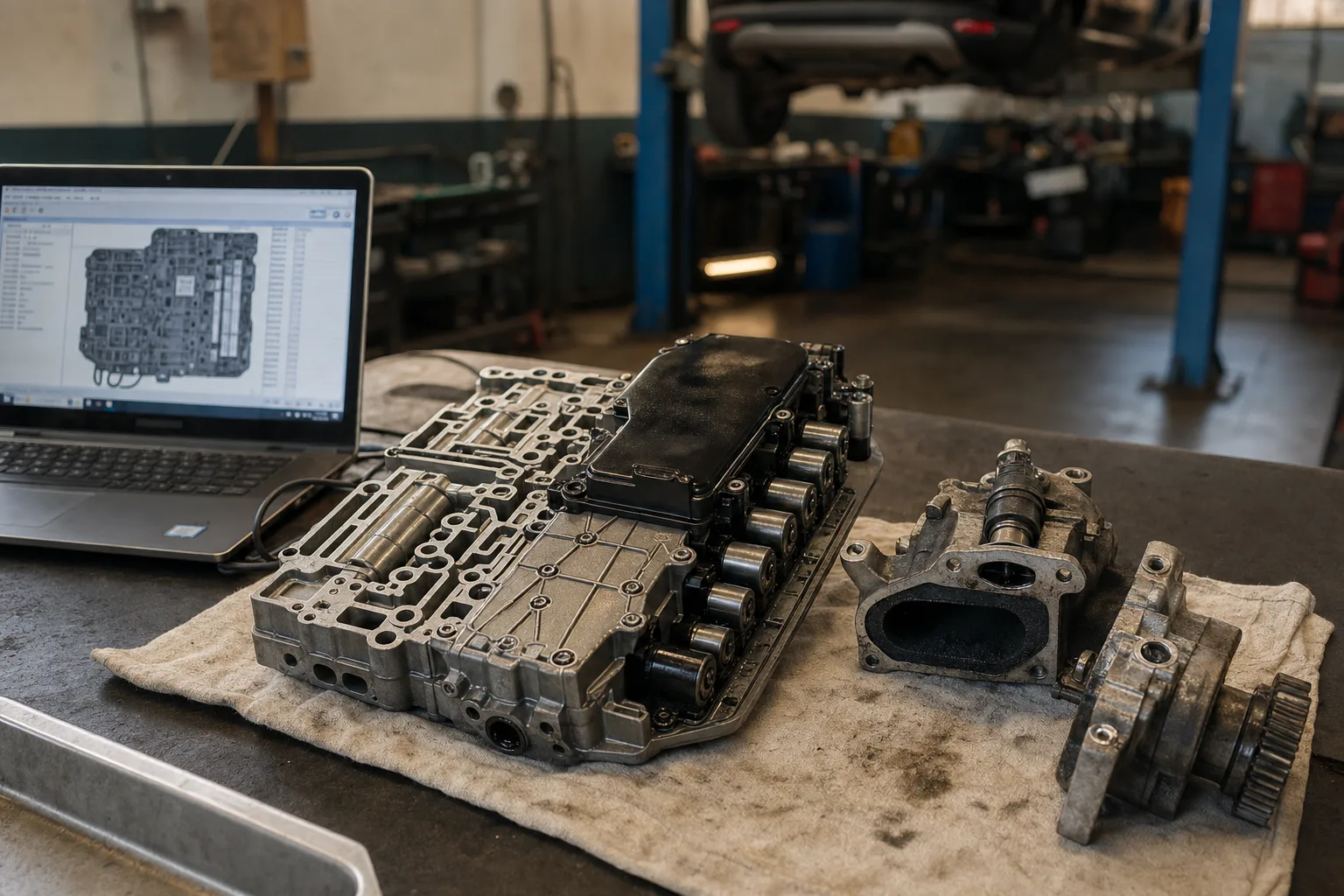
Evoque ZF 9-Speed & Diesel Engine Parts
Reconditioned valve bodies, mechatronic units, turbos, timing kits and oil pumps for the L538 — the parts behind the jerky-shift and oil-dilution faults. Send us your VIN and we will match the exact unit.
Get a Quote2. The 2.0 diesel, oil dilution and timing-chain wear
The Evoque's diesels are where the real engine money hides. The later 2.0 Ingenium diesel uses a timing chain rather than a belt, but the diesel's Achilles heel is oil dilution: when the diesel particulate filter cannot complete its regeneration cycle — which happens a lot on short, stop-start town driving — unburnt fuel washes past the rings and thins the engine oil.
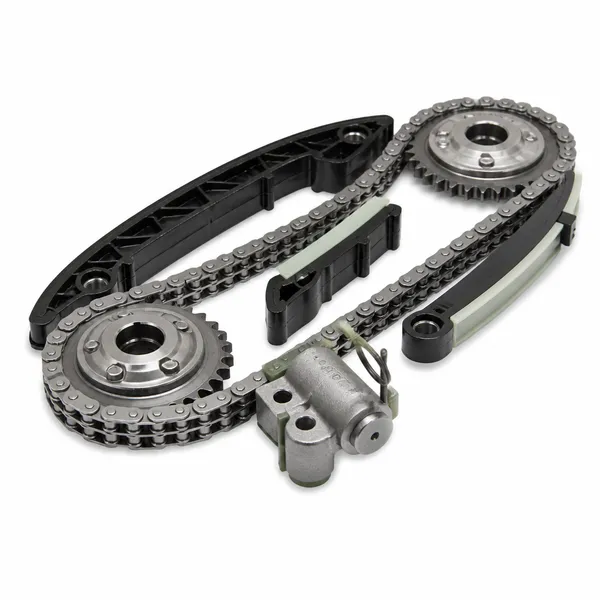
That thinned oil then strains the oil pump and accelerates wear on the timing chain, guides and tensioner. A rattle on cold start-up is the warning to take seriously.
The fix is not cheap if it is left late, so catching it early matters. Stick to genuine-spec oil and correct service intervals, get the DPF and its regen behaviour checked, and if the chain is rattling, do the chain kit and oil pump together rather than chasing symptoms.
We keep reconditioned timing components and pumps among our Evoque engine parts — the same Ingenium engine sits in the Discovery Sport, so the parts and the advice carry straight across — and a full motorway run every week or two genuinely helps the DPF regenerate and keeps the oil healthier for longer.
3. Turbocharger and DPF/EGR trouble on the diesels
Because the diesel's DPF sits fairly far from the engine, it struggles to get hot enough to burn off soot on short trips, so the filter clogs and the EGR valve gums up with carbon. The result is limp mode, loss of power, a warning light and, in bad cases, extra strain on the turbo.
The turbocharger itself is a known weak point too — owners report whistling, whining or lost boost, sometimes from a failed actuator, sometimes from a genuinely worn unit.
Do not assume every power loss means a new turbo. On the Evoque it is often a clogged DPF, a sticking EGR valve or a split boost hose first, and a proper scan usually points straight at the culprit. When a turbo really is tired, a reconditioned unit fitted by a competent workshop restores full performance for far less than new.
If you are weighing the Evoque against its sister car, the same diesel principles apply to the larger Range Rover Velar, and we stock the same turbos and DPF/EGR components as Range Rover Velar parts too. Send us your fault codes and we will tell you honestly what you actually need.
4. Electrical and infotainment gremlins
The Evoque is a technology-heavy car, and on higher-mileage Mk1s the electronics can misbehave. The most common complaints are the touchscreen freezing or going blank, the radio or navigation cutting out, electric windows or mirrors playing up, and random warning lights that come and go. A lot of it traces back to the body control module and its connections, or simply to an infotainment head unit that has aged out.
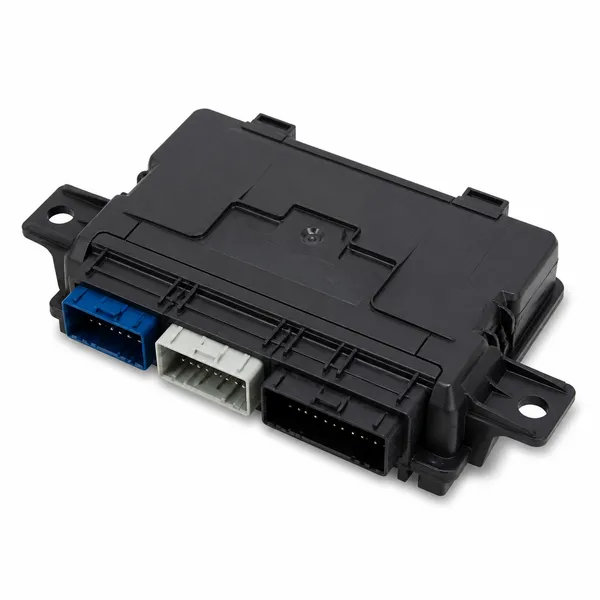
Some of these faults are software and can be reset or updated; others need a replacement module or head unit. The key is a proper diagnosis so you replace the right thing once, rather than throwing parts at it. Reconditioned infotainment units and control modules are a sensible, affordable buy — you will find them among our Evoque electrical and module parts.
As always, a pre-purchase scan flags stored electrical codes even when no warning light is showing on the day you view the car.
5. Water ingress into the boot and electrics
Water leaks are a genuine Evoque bugbear. Owners report damp or soaked carpets in the boot, water pooling in the spare-wheel well, and moisture reaching electrical connectors and modules. Blocked sunroof or body drains, perished door and tailgate seals, and gaps around the rear light clusters are the usual culprits. Left unchecked, that water corrodes connectors and can trigger exactly the kind of intermittent electrical faults described above.
The fix is often cheap if you catch it early: clear the drains, renew the affected seals, and dry everything out before corrosion sets in. Where water has already reached a module or a wiring connector, you may need a replacement part.
If you are viewing a used Evoque, lift the boot carpet and press into the spare-wheel well with your hand — a damp floor there is one of the most useful and least-checked warning signs on the whole car.
6. Front suspension: control arms and bushes
The Evoque rides on a conventional coil-sprung front suspension (no air springs on the L538), and the front lower control arms and their bushes are wear items. Symptoms are a knocking or clunking over bumps, uneven or accelerated tyre wear, and slightly vague steering. On South African roads — potholes, speed bumps and rough gravel — these bushes and arms take a beating and wear faster than they would on smooth motorways.
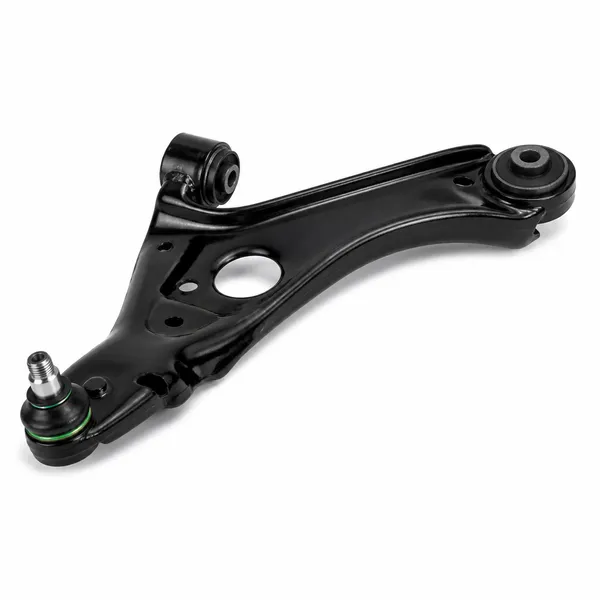
This is one of the more affordable repairs on the list and well worth doing properly, because worn arms ruin the Evoque's otherwise tidy handling and chew tyres. Replacing the control arm complete with its bushes per side is usually the tidy fix. Quality used and reconditioned parts for the Range Rover Evoque range keep this cheap, and getting a four-wheel alignment afterwards protects your new tyres.
7. Oil leaks and consumption
Rounding out the list is the leak-and-consumption niggle that affects a lot of Evoques as they age. Owners notice oily patches under the car, a faint burning-oil smell, or the dipstick dropping between services. The usual sources are tired seals and gaskets — rocker cover, sump, oil cooler and filter housing — rather than anything catastrophic, but low oil on a hard-working turbo diesel is not something to ignore.
The fix is preventative and usually inexpensive: renew the leaking seal or gasket, and keep an eye on the oil level between services, especially if the car does a lot of short trips. Catch a leak while it is a weep and it is a small job; ignore it until the engine runs low and it can become a very big one.
If you are buying, check under the car and under the oil-filler cap, and factor a seal refresh into your first-year budget.
How much do Range Rover Evoque repairs cost in SA?
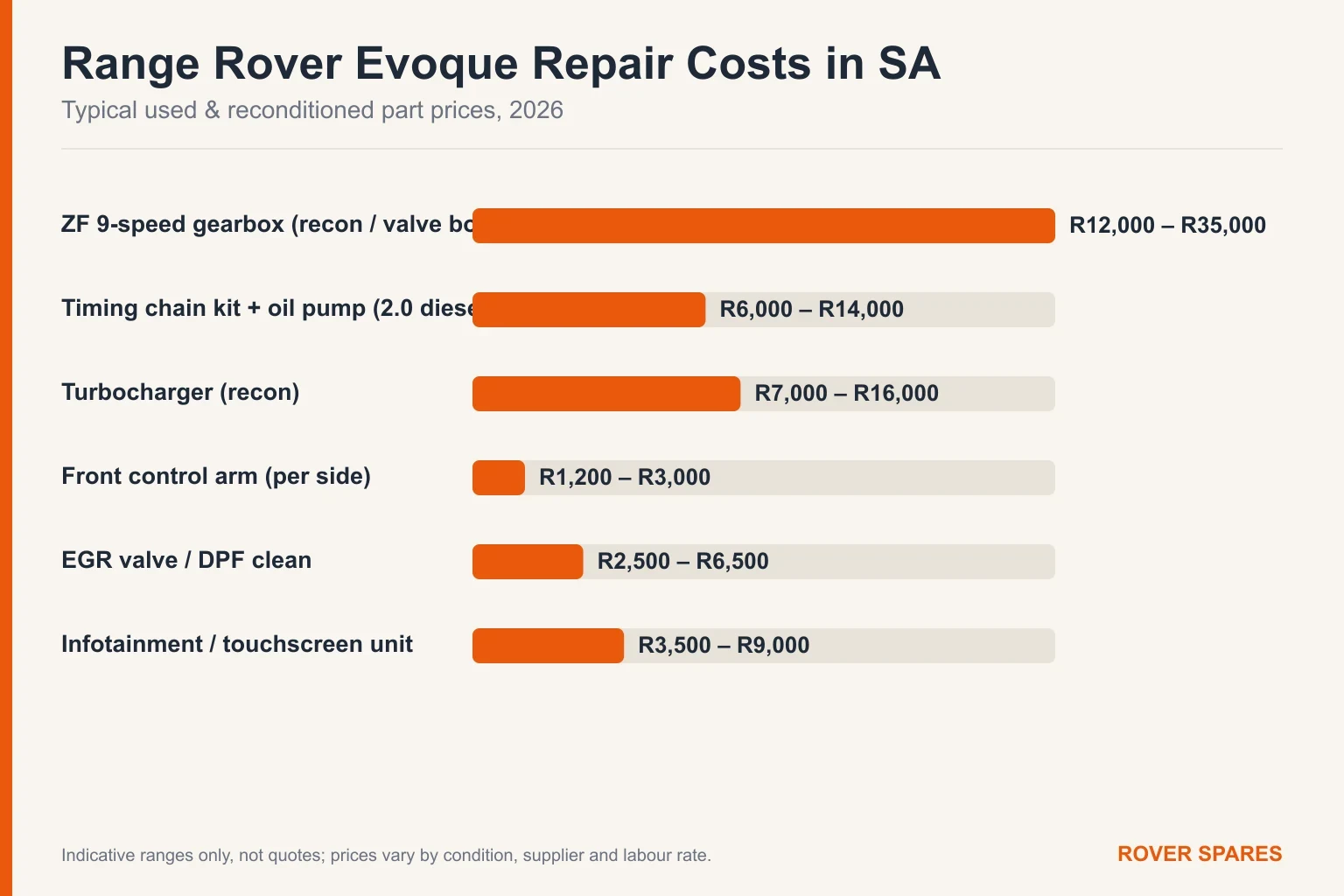
Here is a realistic guide to what these repairs run using quality used or reconditioned parts at an independent workshop — not dealer pricing. Actual figures depend on your exact model, engine, condition and labour rates; these are indicative ranges only, not quotes.
| Repair | Typical part price (used / recon) | Notes |
|---|---|---|
| ZF 9-speed gearbox (recon / valve body) | R12,000 – R35,000 | Software + fluid first, often enough |
| Timing chain kit + oil pump (2.0 diesel) | R6,000 – R14,000 | Do together if chain rattles |
| Turbocharger (recon) | R7,000 – R16,000 | Check actuator/DPF first |
| Front control arm (per side) | R1,200 – R3,000 | Includes bushes; align after |
| EGR valve / DPF clean | R2,500 – R6,500 | Clean can be cheaper than new |
| Infotainment / touchscreen unit | R3,500 – R9,000 | Reconditioned head units |
Before you buy parts
A jerky pull-away with a gearbox warning gets quoted as a replacement box far more often than it deserves. The ZF units in these respond well to a proper fluid and filter service, a software update, and where needed a reconditioned valve body, and that sequence sorts many of these complaints. The “sealed for life” idea is what causes most of the damage: fluid that has never been changed cooks, and the box starts hunting and slipping. Work through the cheap steps in order and hold the replacement quote until they have all been tried.
Need Range Rover Evoque parts? Get a quote.
We supply used and reconditioned Land Rover Range Rover Evoque parts across South Africa — ZF 9-speed gearboxes, 2.0 diesel engine parts, turbos, control arms and electronics — with nationwide delivery. Send us your VIN and the part you need.
Frequently asked questions
Is the Range Rover Evoque reliable?
The Evoque has a mixed reliability record, and Land Rover generally sits low in owner surveys — but the truth is more encouraging than the horror stories suggest. Its faults, the ZF 9-speed's early jerkiness, diesel oil dilution and timing wear, electrical and infotainment gremlins and water ingress, are all well documented and repairable.
An Evoque with a full service history and those known items sorted is a genuinely pleasant, dependable car. A neglected one will nickel-and-dime you. Buy on condition and history, not just price, and budget for a couple of catch-up repairs in the first year.
What is the most common Range Rover Evoque problem?
On the early cars, the ZF 9-speed automatic's jerky low-speed shifting is the most talked-about complaint, closely followed by electrical and infotainment gremlins. The encouraging part is that the gearbox behaviour is very often cured by a software update and a proper fluid service rather than expensive hardware, so a jerky test drive should not automatically scare you off — but it should prompt a diagnostic scan before you buy.
Which Evoque engine should I buy, petrol or diesel?
For most South African buyers the diesel makes sense for its economy and torque, but it demands correct servicing to avoid oil dilution, DPF and timing-chain trouble — short-trip town cars suffer most. The 2.0 petrol avoids the DPF headache and suits low-mileage urban use, though it is thirstier. Whichever you choose, scan for stored codes and check service history first; the diesel simply has more items to verify.
Are Range Rover Evoque parts expensive in South Africa?
New dealer parts are expensive, yes — but that is not your only option. Quality used and reconditioned parts cut the cost dramatically: a reconditioned turbo for around R7,000–R16,000, a control arm for a couple of thousand rand, or a valve-body-and-software fix instead of a full gearbox swap. Buying from a specialist that tests its stock is the key to keeping an Evoque affordable to run.
Why does my Evoque diesel use so much oil?
Two things usually cause it. First, external leaks from tired seals and gaskets — rocker cover, sump or filter housing. Second, and more serious on the diesel, oil dilution from incomplete DPF regenerations, where unburnt fuel thins the oil and the level can appear to rise then drop. Get the leak sources checked, keep to correct-spec oil and intervals, and give the car regular longer runs so the DPF can regenerate properly.
How many kilometres will a Range Rover Evoque last?
A well-maintained Evoque will comfortably pass 250,000–300,000 km, and plenty do more. What ends most of them early is deferred maintenance on the known items — the gearbox service, the diesel's oil and DPF health, and water ingress — not a fundamentally weak engine. Stay on top of those with quality parts and correct servicing, and the Evoque will keep going.
Sources
- Honest John — Range Rover Evoque (2011–2019) owner-reported good & bad points: honestjohn.co.uk
- Haynes — Range Rover Evoque Mk1 (2010–2018) common problems: uk.haynes.com