
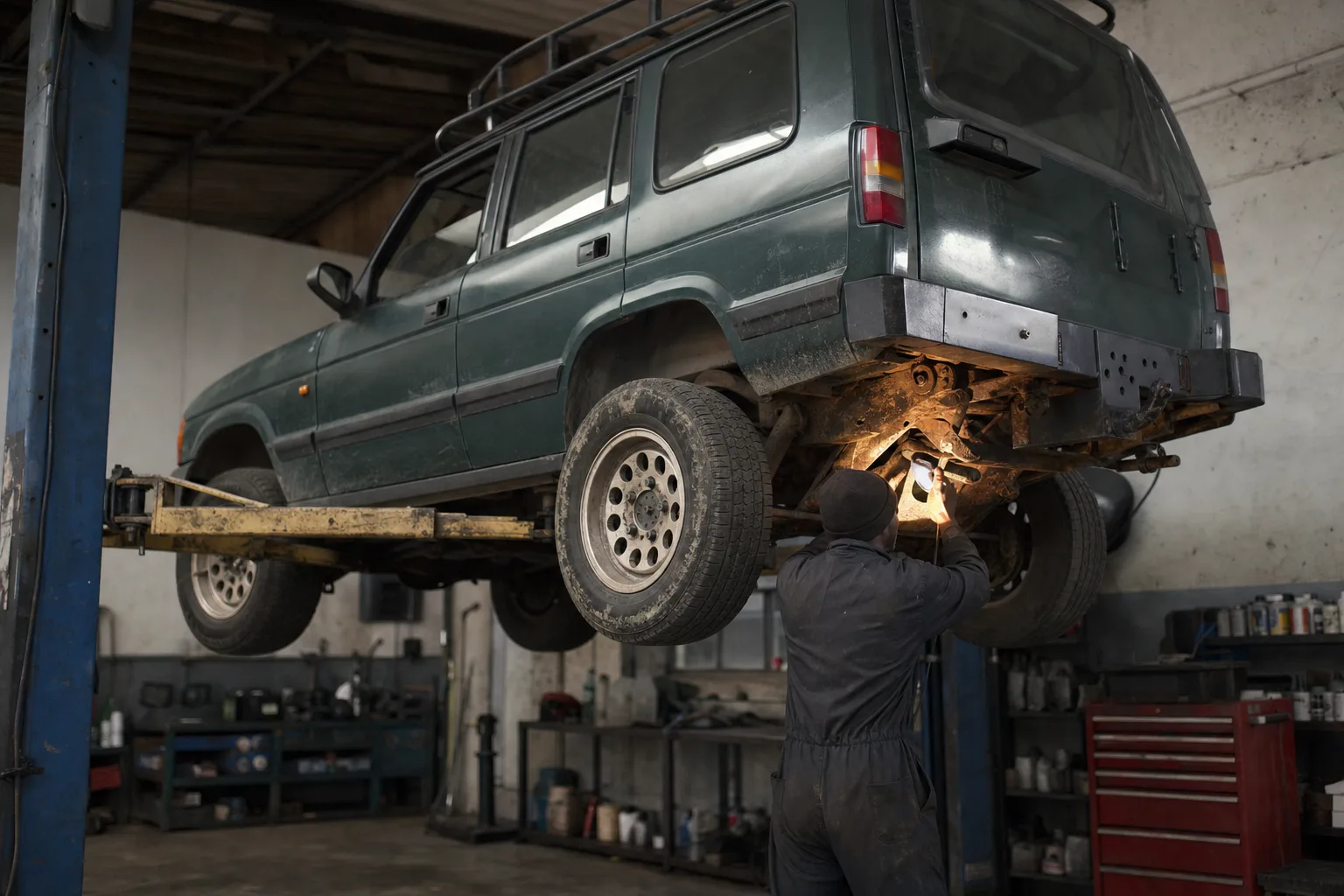

The Land Rover Discovery 1 (built 1989–1998) is the original Disco, and after more than thirty years it is still one of the most honest, fixable 4x4s on South African roads. There is no air suspension, no fragile electronics, no clever gadgets to fail — just a tough ladder chassis, coil springs and either the legendary 300Tdi diesel or a thirsty 3.9 V8 petrol.
Almost every fault a Disco 1 develops is either rust or a well-known age item, and the parts are cheap and plentiful used here in SA. Below are the six problems that come up most on the Discovery 1, what they cost to sort, and how to tell a solid one from a rot-box before you hand over the money.
- The Discovery 1's single biggest killer is rust — the chassis rails, rear crossmember and footwells rot from the inside out, so a rusty one is a far bigger risk than any engine fault.
- The 300Tdi diesel is the engine to buy: it will pass 300,000 km, but watch the water-pump P-gasket and coolant leaks. The 3.9 V8 is smoother but drinks petrol and can slip a cylinder liner.
- Worn radius arm bushes cause a vague, twitchy feel on acceleration — a cheap and easy fix that is often neglected.
- Most repairs are affordable with good used parts: a set of radius arm bushes runs about R900–R1,800, a fraction of what a neglected chassis will cost you.
- None of these faults are reasons to avoid a Disco 1 — buy on chassis condition first, engine second, and budget for a few catch-up jobs.
1. Chassis, crossmember and footwell rust
If a Discovery 1 is going to break your heart, it will be rust. The steel ladder chassis is tough, but three decades of coastal air, mud and river crossings take their toll from the inside out.
The classic rot spots are the rear crossmember (where the tow hitch mounts), the chassis rails around the rear spring hangers, the front inner wings, and the footwell seams where the sealer bubbles and splits. A car that looks mint on top can be paper-thin underneath, so this is the first thing to check on any Disco 1.
Get underneath with a torch and a screwdriver and prod the crossmember and rails hard. Surface scale is fine; flaking, crunchy metal or a screwdriver going through is a walk-away or a serious rebuild.
A replacement rear crossmember is a common weld-in repair, and outer body panels bolt straight off for the Disco 1, which makes rusty body and chassis panels refreshingly easy to source and fit compared with newer Land Rovers. The rust story carries over to its successor, so if you're cross-shopping, our look at the Discovery 2's common problems covers the same weak spots on the later model.
Discovery 1 Chassis & Body Parts
Rear crossmembers, footwell repair sections, wings, doors and tailgates for the Disco 1 — the panels that fix rust honestly. Tell us your VIN and we'll match the exact part.
Get a Quote2. 300Tdi coolant leaks and water-pump P-gasket
The 300Tdi diesel is the heart of a good Disco 1 and one of the best engines Land Rover ever fitted — strong low-down torque, simple mechanical injection, and genuinely capable of 300,000 km with care. Its known weak spot is cooling.
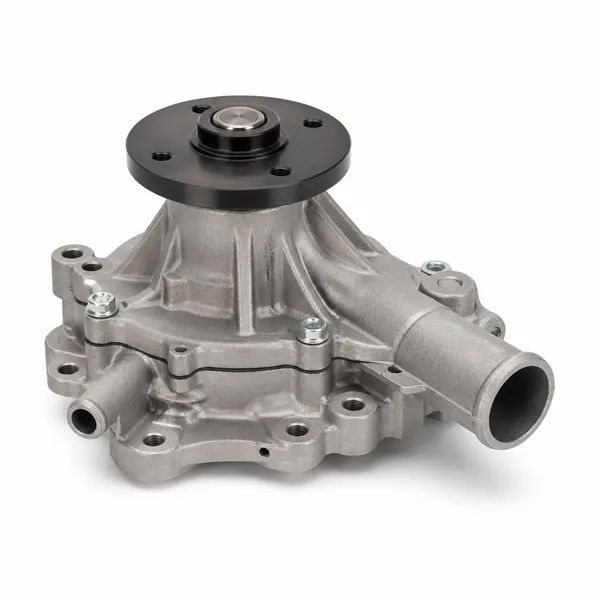
Coolant famously seeps from the P-gasket that seals the water pump to the block, and the plastic-necked thermostat housing and hoses go brittle with age. Left unchecked, a slow coolant loss on a hard-working diesel leads to overheating, and overheating a Tdi is not something you want to do.
The good news is that these are cheap, straightforward jobs. When you have the front of the engine apart, do the water pump, P-gasket, thermostat and hoses together rather than chasing one leak at a time. A well-serviced 300Tdi keeps going almost indefinitely, so browse our 300Tdi engine parts or send us a photo of the leak and we'll tell you honestly what you actually need to reset the cooling system.
3. V8 head gasket and cylinder liner trouble
If you have gone for the 3.9 (or 3.5) Rover V8 petrol, it is smoother and quicker than the diesel but comes with its own known faults. The aluminium block can suffer head-gasket failure and, more seriously, cylinder-liner slip, where a liner drops slightly in the block and lets coolant into the bore.
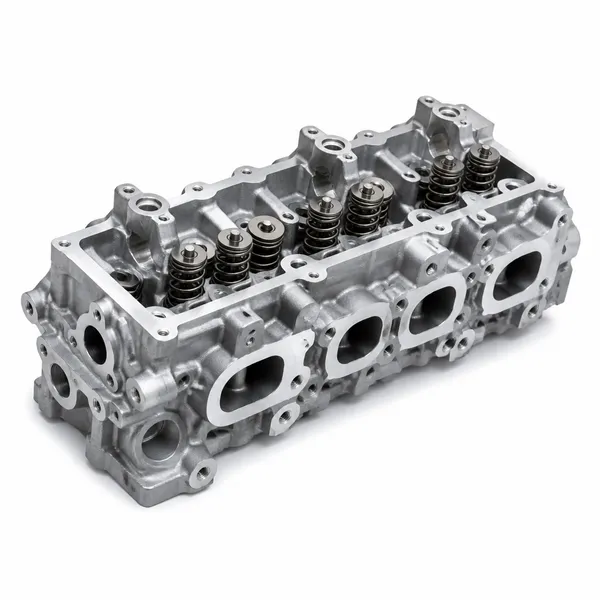
Symptoms are overheating, mayonnaise-like sludge under the oil cap, coolant loss with no visible external leak, and white smoke from the exhaust. It is a well-documented Rover V8 trait, not a Disco-only problem.
A blown head gasket alone is a fair fix; a slipped liner usually means a reconditioned or top-hat-linered engine. Before you panic, get a proper compression and coolant-gas test done — sometimes it really is just a gasket.
The V8 is also thirsty, so for most SA owners the 300Tdi is the wiser buy. If you're weighing the diesel against the petrol, our guide to the later Td5 engine's known issues is worth a read too, since many buyers cross-shop the two diesels.
4. Radius arm and suspension bushes
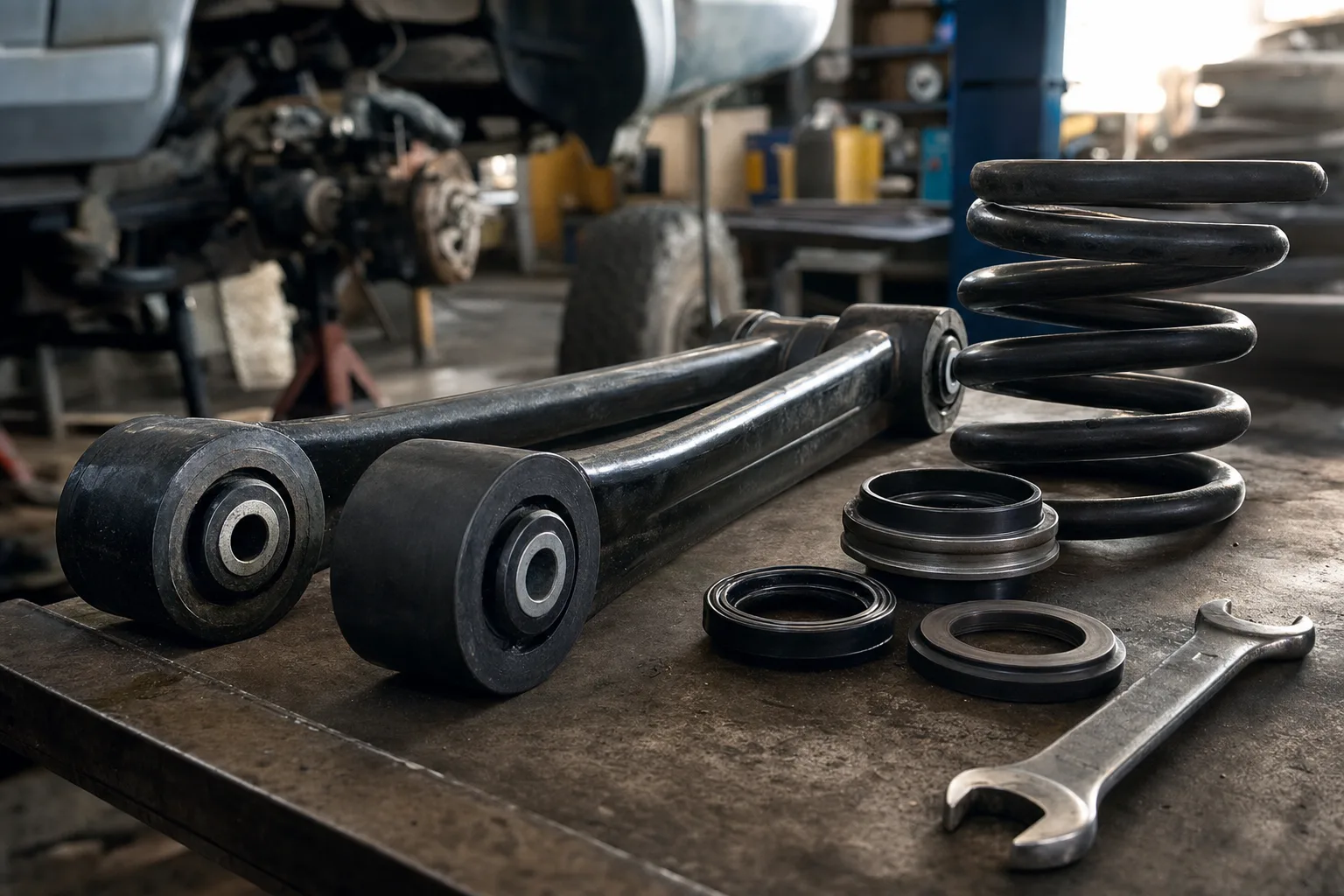
The Discovery 1 rides on coil springs with radius arms locating the axles, and the rubber bushes in those arms perish with age. Worn rear radius arm bushes let the rear axle move under load, giving a vague, twitchy feel on acceleration and a clunk over bumps. It is a common complaint on higher-mileage cars and, importantly, it is cheap and easy to fix — but it is often ignored until the handling feels genuinely sloppy.
When you're under there, check all the bushes as a set: front and rear radius arms, the Panhard rod, the A-frame ball joint and the anti-roll bar links. Fitting fresh suspension bushes and arms transforms how a tired Disco 1 drives and is one of the most cost-effective jobs you can do. Watch too for corrosion in the axle bracket where the radius arm bolts on — that turns a cheap bush job into a welding job if left.
5. Sunroof and door-seal water leaks
Most Disco 1s came with twin sunroofs, and after thirty years they leak. The culprit is almost never the glass itself but the drain trays and drain pipes that carry rainwater away: the trays rust through and the pipes get blocked, kinked or perish, so water backs up and drips onto the headlining, seats and carpets.
You'll spot it as damp carpets, a musty smell, misted windows or mould in the boot. The same water ingress attacks the door and windscreen seals.
The fix is usually cheap and mechanical: clear or replace the sunroof drain pipes, repair the trays and renew tired rubber seals. What matters is catching it early, because standing water rots the floors and footwells from inside — tying straight back into the rust problem above. New and good used parts for the Land Rover Discovery range, from seals to headlining clips, are easy to source and make this a satisfying weekend job rather than a big bill.
6. Swivel-housing oil leaks and axle niggles
Rounding out the list are the age-related leaks every old Land Rover develops. The front swivel housings, which hold the constant-velocity joints in an oil bath, seep from the swivel seals, so oil weeps down the back of the housing and the level runs low.
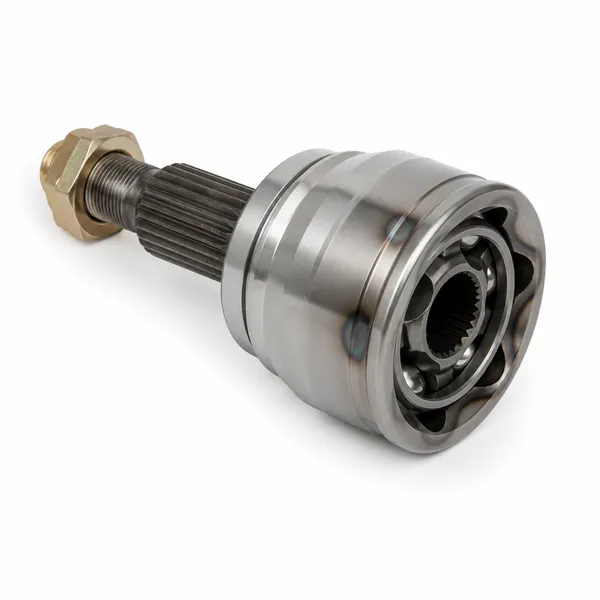
You'll also find leaks from the front output seal, hub oil migrating into the brakes, and general diff and gearbox weeping. None are unique to the Disco 1, but they are worth sorting before they leave you low on lubricant.
The repair is preventative: reseal the swivels with new seals and joints, and check the diff and gearbox oil levels while you're under there. Doing the swivels properly once, with quality seals and CV joints, keeps the front axle healthy and quiet for years. As with everything on a Disco 1, tackling these age items as a batch is far cheaper than chasing one drip at a time and hoping for the best.
How much do Discovery 1 repairs cost in SA?
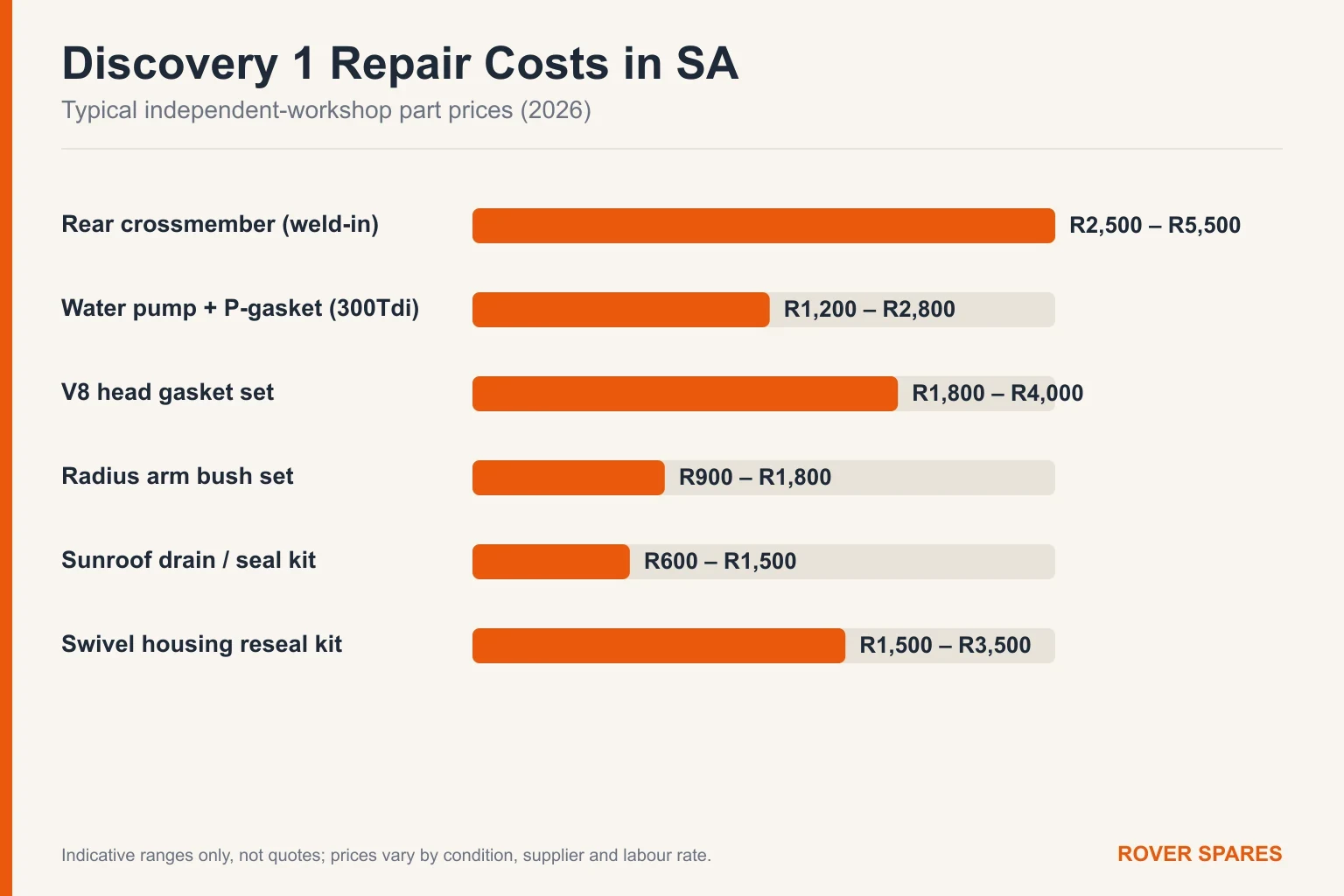
Here's a realistic guide to what these repairs run using quality used or reconditioned parts at an independent workshop — not dealer pricing. Actual figures depend on your exact model, engine, condition and labour rates; these are indicative ranges only, not quotes.
| Repair | Typical part price (used / recon) | Notes |
|---|---|---|
| Rear crossmember (weld-in) | R2,500 – R5,500 | Plus welding labour |
| Water pump + P-gasket (300Tdi) | R1,200 – R2,800 | Do with hoses & thermostat |
| V8 head gasket set | R1,800 – R4,000 | Liner slip needs recon engine |
| Radius arm bush set | R900 – R1,800 | Front & rear, cheap fix |
| Sunroof drain / seal kit | R600 – R1,500 | Clears leaks into cabin |
| Swivel housing reseal kit | R1,500 – R3,500 | Seals + CV joint per side |
Before you buy parts
Buying or keeping a Discovery 1 comes down to one question: how much sound steel is left. The 300Tdi and the V8 will both run far past the mileages that frighten people, and used mechanical parts for them are cheap and easy to find. What actually writes these cars off is rot in the rear crossmember, the boot floor and the sills, and that is the one job where labour outruns the parts bill. Inspect the metal before you spend a cent on the drivetrain. If it passes, run the thing.
Need Discovery 1 parts? Get a quote.
We supply used and reconditioned Land Rover Discovery 1 parts across South Africa — chassis and body panels, 300Tdi and V8 engine parts, suspension bushes and seals — with nationwide delivery. Send us your VIN and the part you need.
Frequently asked questions
Is the Land Rover Discovery 1 reliable?
Mechanically the Discovery 1 is one of the more dependable old Land Rovers, especially with the 300Tdi diesel, which routinely passes 300,000 km. Its real enemy is rust, not engine failure. A Disco 1 with a solid chassis and its known age items sorted — cooling, bushes, swivel seals and sunroof drains — is a genuinely tough, fixable 4x4. Buy on chassis condition first and budget for a few catch-up jobs, and it will keep going for years.
What is the most common Discovery 1 problem?
Rust, by a distance. The chassis rails, rear crossmember and footwell seams corrode from the inside out over three decades, so a rotten one is a far bigger risk than any mechanical fault. Always get underneath with a torch before buying and prod the metal hard. Everything else — leaks, bushes, seals — is cheap and easy by comparison, so the chassis is what makes or breaks the deal.
Which engine is best, the 300Tdi or the V8?
For South African conditions the 300Tdi diesel is the clear winner — strong torque, excellent economy, simple mechanics and huge parts availability. The 3.9 V8 petrol is smoother and quicker but very thirsty and prone to head-gasket and cylinder-liner trouble. Unless you specifically want the V8's refinement, the 300Tdi is the sensible, cheaper-to-run choice, and it holds its value better here too.
Are Discovery 1 parts expensive in South Africa?
No — the Disco 1 is one of the cheapest Land Rovers to keep going. Its simple, body-on-frame design means panels bolt off, engines are easy to work on, and there is a healthy supply of good used and reconditioned parts. A radius arm bush set costs under R2,000 and a sunroof drain kit a few hundred rand. Buying from a specialist that tests its stock keeps a Disco 1 genuinely affordable to own.
How do I check a Discovery 1 before buying?
Get underneath first. Prod the rear crossmember, chassis rails and footwells for flaking or crunchy rust. Then look for coolant and oil leaks around the engine, swivels and diffs, check the sunroof headlining and carpets for damp, and feel for a twitchy rear end on the test drive that points to worn bushes. A solid chassis with a few age items to sort is a good buy; heavy rust is a walk-away.
How many kilometres can a Discovery 1 300Tdi do?
A well-maintained 300Tdi will comfortably pass 300,000 km, and many are still working hard well beyond that. The engine itself is famously tough; what ends most Disco 1s is a rotten chassis or deferred maintenance on the cooling and axles, not the bottom end. Keep the rust at bay and the known items serviced with quality parts and it will outlast far newer 4x4s.
Sources
- Land Rover Monthly — How to assess a Discovery 1 (buying and inspection guide): landrovermonthly.co.uk
- Honest John — Land Rover Discovery owner-reported good & bad points: honestjohn.co.uk